
Invasive species hitch a ride on marine litter

We are more aware than ever of the impact of pollution on marine life, from ingestion and entanglement in manmade waste, through to the discovery of microplastics within microorganisms, fish and large mammals. One perhaps overlooked impact is its role in the spread of invasive species. Acting as a raft on which potential invasive species…
In the fight against Parthenium, make sure to “know your enemy”
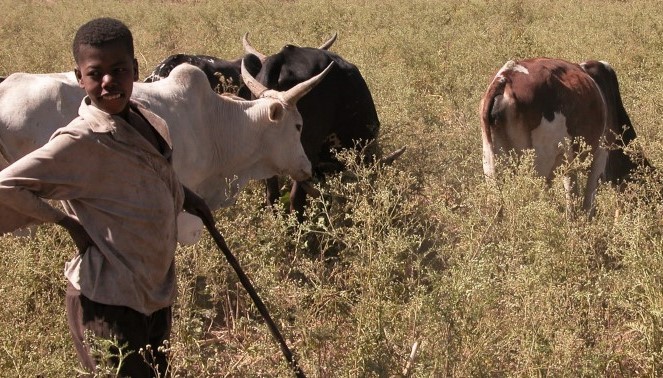
Latest book in the CABI Invasive Series: Parthenium Weed Parthenium weed (Parthenium hysterophorus) is considered one of the worst weeds in the world. It has invaded and is widespread in about 48 countries in Africa, Asia and the South Pacific, and has the potential to spread to new countries in Africa, Asia and parts of…
Breathe easy with biocontrol
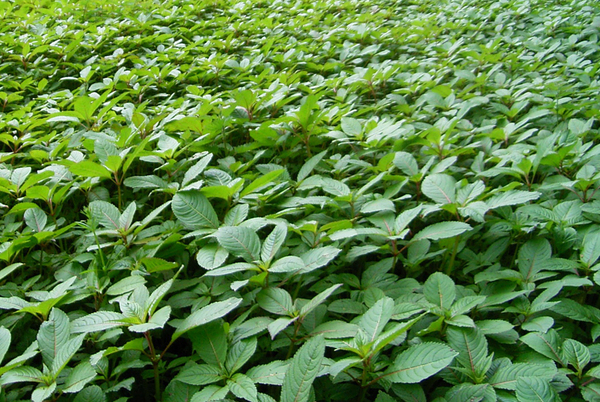
One in four people in Europe suffer from hay fever, affecting the quality of life of millions. The average cost of hay fever related diseases amounts to around €600 per patient per year from treatment costs and lost time working. One of the worst offending invasive plants for hay fever sufferers is the North American…
New research assesses the effect of invasive crayfish on mosquito survival
Red swamp crayfish (Procambarus clarkii), often known as the Louisiana crawfish are staple part of Cajun cuisine. However, new research published in Conservation Biology has found that the highly invasive crayfish allows mosquitoes to thrive in waterways, therefore making it more likely to increase the risk of mosquito-borne diseases.
Using DNA to detect a stinkbug invasion

The use of DNA to detect a stinkbug invasion proposes a revolutionary advancement in agricultural pest surveillance following the success recorded on a piloted experiment conducted on farms in the USA. These interlopers attack all manner of produce, ranging from fruits to leafy vegetables. However, the adoption of DNA techniques in detecting its early invasion…
Why biological control is an important tool to manage problematic invasive species in Europe

Written by Dr Urs Schaffner, head of the Ecosystem Management section at CABI Europe-Switzerland. Over the last few years, biological invasions have become a regular topic in the news. Today the general public is probably better informed about the negative environmental and economic impacts alien invasive species can cause than ever before. However, concern about invasive…
Invasive species, climate change and tourism impacts the greatest threats to natural World Heritage
A new report from the IUCN looks at conservation prospects, threats, protection and management of natural World Heritage sites. The IUCN World Heritage Outlook 2 summarises the key trends in the state of conservation of natural World Heritage sites, the threats and pressures they are facing, and the effectiveness of their protection and management. The…
Controlling the European earwig on the Falklands
Contributed by Norbert Maczey, CABI The European Earwig, Forficula auricularia (order Dermaptera) was recently introduced to the Falkland Islands and has since become locally common in Port Stanley and a number of settlements in both East and West Falkland. Since its introduction this invasive species has caused considerable problems ranging from yield losses in horticulture…
Where to find CABI’s open-access information on fall armyworm
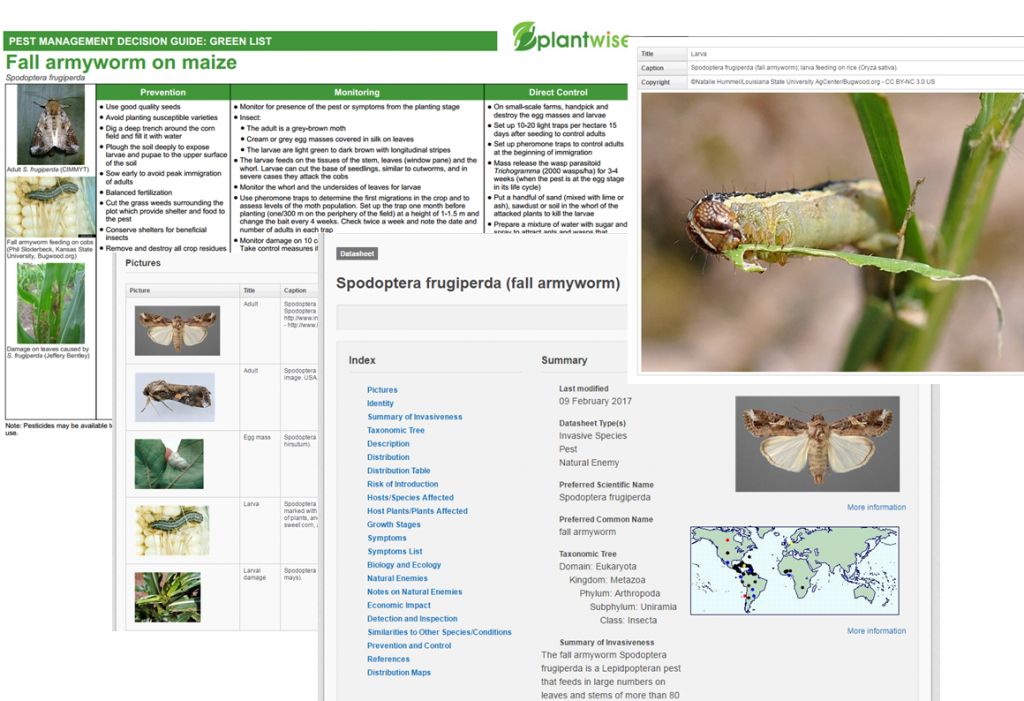
The fall armyworm, Spodoptera frugiperda, is making headlines worldwide for all the wrong reasons. The caterpillar crop pest, native to the Americas, was reported in Africa for the first time last year and is now rapidly marching across the continent. It is a voracious pest of maize and other staple crops and has already destroyed…
New in August 2015 from the ISC
In August 2015 the following datasheets were published on CABI’s Invasive Species Compendium (ISC). You can explore the open-access ISC here: www.cabi.org/isc Bidens frondosa (beggarticks) – native to North America, this herbaceous annual has a range of medicinal, herbal and decorative uses and been introduced throughout Europe as well as New Zealand and parts of Asia. The…