
New in July 2015 from the ISC
In July 2015 the following datasheets were published on CABI’s Invasive Species Compendium (ISC). You can explore the open-access ISC here: www.cabi.org/isc Akebia quinata (five-leaf akebia) – a highly invasive, aggressive vine native to East Asia, A. quinata has been introduced as an ornamental to Canada, Europe, Oceania and the USA. It can outcompete native understory plants…
New in June 2015 from the ISC
It’s been a bumper month for the ISC, with 42 new datasheets published and the total number of full datasheets topping 2000. You can explore the open-access ISC here: www.cabi.org/isc Bothriocephalus acheilognathi (Asian fish tapeworm) – in the past few decades this tapeworm has spread from its native East Asia to all continents except Antarctica, largely…
On the trail of an ancient invasive
‘if men were not employed to prune these trees… they would cover the country, completely invading it.’ Sound familiar? It could be a description of any number of invasive trees, from the trumpet tree (Cecropia peltata) spreading through West Africa to the candlenut tree (Aleurites moluccanus) currently invading Pacific islands. But it’s actually an account…
New in May 2015 from the ISC
In May 2015 the following datasheets were published on CABI’s Invasive Species Compendium (ISC). You can explore the open-access ISC here: www.cabi.org/isc Bubalis bubalis (Asian water buffalo) – domesticated herds of the Asian water buffalo are widely kept across Asia and southern Europe, where they are considered naturalised and not invasive. However, introduced populations in Australia and…
New in April 2015 from the ISC
In April 2015 the following datasheets were published on CABI’s Invasive Species Compendium (ISC). You can explore the open-access ISC here: www.cabi.org/isc. Triumfetta semitriloba (burweed) – this weedy perennial shrub species, native to large parts of tropical and subtropical America, has been introduced to a number of Pacific islands, where it is now invasive. Its international spread is…
New in February 2015 from the ISC
In February 2015 the following datasheets were published on CABI’s Invasive Species Compendium (ISC). You can explore the open-access ISC here: www.cabi.org/isc Furcraea foetida (Mauritius hemp) – native to Central America, this evergreen perennial has been introduced worldwide as an ornamental, for its fibre and for erosion control. However, F. foetida can grow up to three metres…
New in January 2015 from the ISC
In January 2015 the following datasheets were published on CABI’s Invasive Species Compendium (ISC). You can explore the open-access ISC here: www.cabi.org/isc. Clerodendrum thomsoniae (bleeding glory bower) – native to West Africa, this vine has been widely cultivated in tropics and subtropics worldwide, and is naturalised in many places, including the USA, Australia and the Galapagos Islands.…
Himalayan Balsam and its impact on UK invertebrates
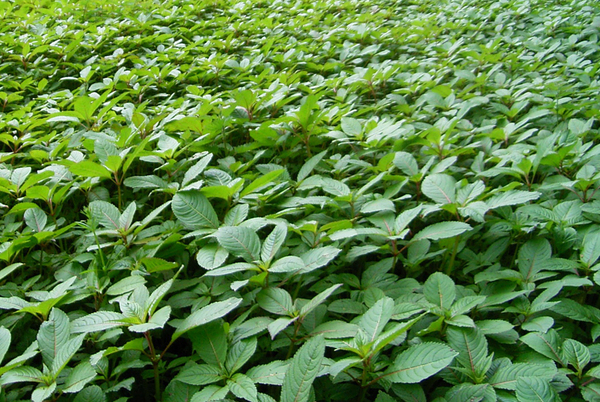
Himalayan balsam is one of the UK’s most widespread invasive weed species, colonising river banks, wasteland, damp woodlands, roadways and railways. Research by CABI scientists has shown local invertebrate biodiversity is negatively affected by the presence of Himalayan balsam. This leads to fragmented, destabilised ecosystems, which has serious consequences on processes and functioning, and complicates…
The value of costing nature in the fight against invasive species
Increasingly we are seeing the terms ‘ecosystem services’, ‘ecosystem functioning’ and ‘ecosystem processes’ in the media and the scientific literature, to highlight the benefits the natural environment provides to our wellbeing. Invasive species, from bivalves to balsams, have the potential to impact on ecosystem services, though it is widely accepted that there are gaps in…
Our rivers – corridors for colonisation
Our river systems are undoubtedly one of the most diverse habitats found within the British Isles. They provide us with numerous benefits including areas for relaxation and recreation, they harbour high levels of biological diversity, act as natural flood management, provide water for consumption and irrigation, and act as corridors for the movement of nutrients…