
New in October 2014 from the ISC
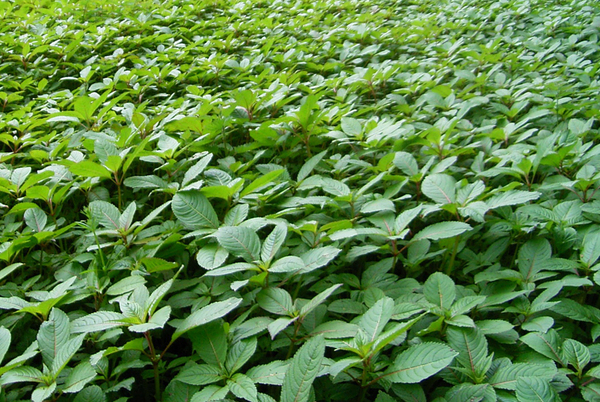
In October 2014 the following datasheets were published on CABI’s Invasive Species Compendium (ISC). You can explore the open-access ISC here: www.cabi.org/isc Silybum marianum (variegated thistle) – this large, aggressive thistle was already recognised as a serious invasive way back in the 1800s. Native to the Mediterranean and parts of Asia and Russia, S. marianum is now…
Invasive myrtle rust impacts discussed at international forestry congress
CABI has recently published a comprehensive review and update of its ISC datasheet on the globally important pathogen Puccinia psidii, commonly known as myrtle rust or guava rust. This problematic fungus is of worldwide importance and is capable of infecting a wide range of hosts. To date it has over 440 host species; affecting many…
New in August 2014 from the ISC
In August 2014 the following datasheets were published on CABI’s Invasive Species Compendium (ISC). You can explore the open-access ISC here: www.cabi.org/isc Lepus europaeus (European hare) – the European hare has been widely introduced by humans from its original range in continental Europe and has successfully established populations in South Sweden, North and South America, Australia, New…
Workshop held on future of Invasive Species Compendium
Members of the Invasive Species Consortium from the US, Mexico, Caribbean and South Pacific met in Washington DC on 4 August and unanimously agreed to keep the Invasive Species Compendium (ISC) an open access resource for a further five years. The ISC has been resourced by a diverse international consortium of government departments, development aid…
New in July 2014 from the ISC
In July 2014 the following datasheets were published on CABI’s Invasive Species Compendium (ISC). You can explore the open-access ISC here: www.cabi.org/isc Senna multijuga (November shower) is a shrub or tree native to South America that has been introduced to tropical regions around the world. It is tolerant of a variety of soil types and its seeds are…
New in May 2014 from the ISC
In May 2014 the following datasheets were published on CABI’s Invasive Species Compendium (ISC). You can explore the open-access ISC here: www.cabi.org/isc Tithonia diversifolia (Mexican sunflower) has been introduced to tropical parts of Asia and Africa and some Pacific islands from its native Mexico, Central America and Cuba. The combined might of rapid vegetative reproduction, hundreds of…
New in June 2014 from the ISC
In June 2014 the following datasheets were published on CABI’s Invasive Species Compendium (ISC). You can explore the open-access ISC here: www.cabi.org/isc Solanum seaforthianum (Brazilian nightshade) is a very aggressive woody vine able to invade natural forests, natural grasslands, forest margins, urban bushland, riverbanks, crops, pastures, roadsides, disturbed sites and waste areas. Once established, it is able to…
New in April 2014 from the ISC
In April 2014 the following datasheets were published on CABI’s Invasive Species Compendium (ISC). You can explore the open-access ISC here: www.cabi.org/isc Thunbergia alata (black eyed Susan) – Australia, Brazil, Central America and many Pacific islands are all threatened by this aggressive herbaceous vine. Once introduced into a suitable climate, often as an ornamental, it quickly establishes…
The XIV International Symposium on the Biological Control of Weeds, Kruger National Park, South Africa, March 2014
In March 156 delegates from 24 countries travelled to the Kruger National Park in South Africa to attend the XIV International Symposium on Biological Control of Weeds (ISBCW) which was held at the Nombolo Mdhuli situated in the Skukuza Camp (2 – 7 March 2014). This quadrennial international symposium is a prestigious conference which provides…
New in March 2014 from the ISC
In March 2014 the following datasheets were published on CABI’s Invasive Species Compendium (ISC). You can explore the open-access ISC here: www.cabi.org/isc Bothriochloa pertusa (pitted beard grass) – B. pertusa is a perennial grass native to eastern and southern Asia. It has been widely introduced in the Americas, Australia and the Pacific, either accidentally or probably in some cases…
- « Previous
- 1
- 2
- 3
- 4
- Next »