
Can scientific data on invasive species protect endangered species from extinction?
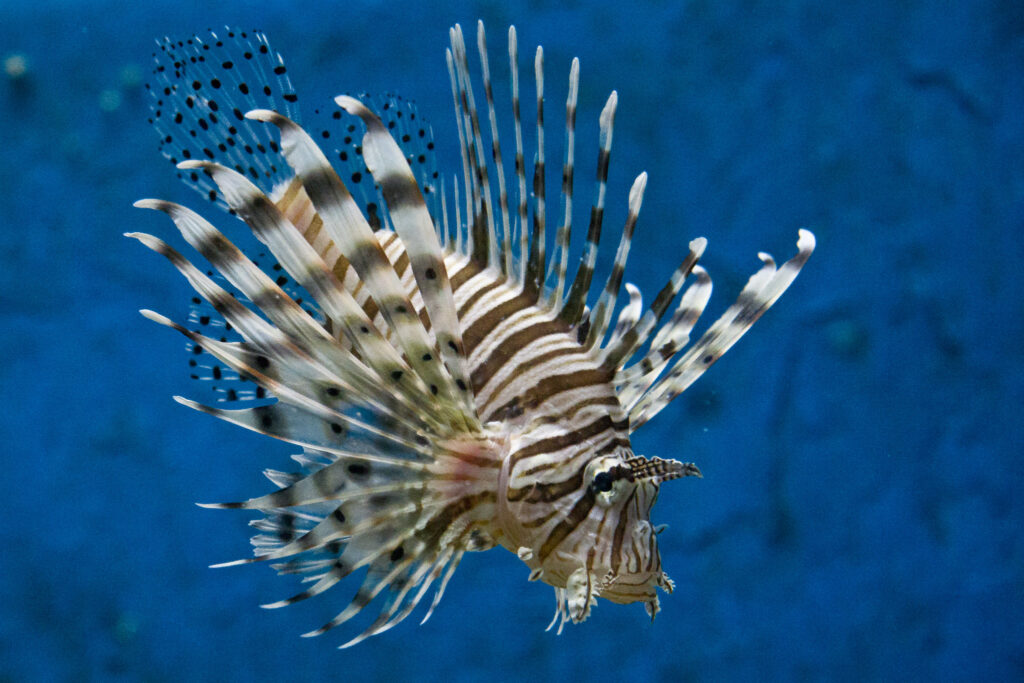
Invasive species are a major concern to ecosystems today. They are a key driver of biodiversity loss and species extinctions, competing against and predating on native organisms. However, scientific data on invasive species can play a huge role in helping to protect threatened biodiversity and species.
Women and girls in science: An interview with Hariet Hinz
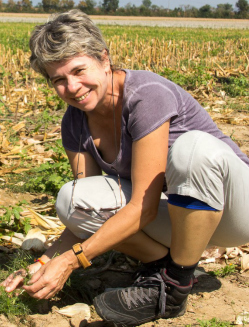
Female scientists have the potential to play an important role in the future of agriculture, however, a significant gender gap persists, particularly in agriculture and science. Gender and youth is a key area for CABI. Constituting to Sustainable Development Goal 5, CABI’s goal is to create opportunities for women and young people in agriculture. In…
Invasive Species Compendium use grows in 2020
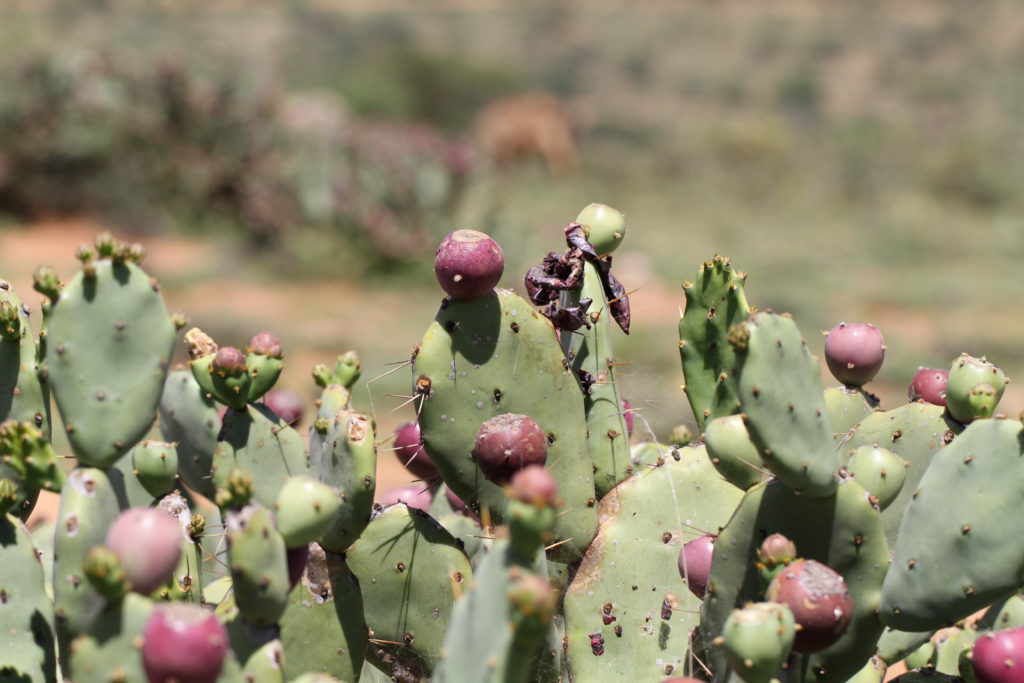
In the first half of 2020, CABI’s Invasive Species Compendium (ISC) had over 1.5 million visits, around double the number for the same period in 2019. How much of this is down to the demand for high quality content and improvements that have been made to the site, and how much is down to people…
Open Access tools for Open Science
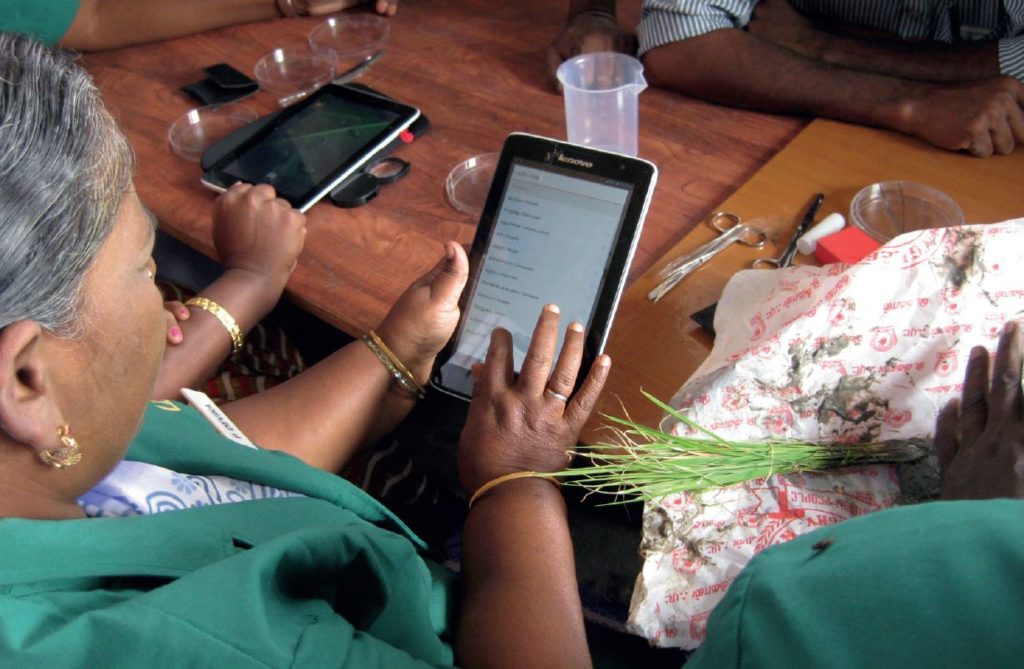
Each year on November 10th, World Science Day for Peace and Development celebrates the significance of science in daily life and the importance of involving the public in scientific developments and debates. This year, the theme for World Science Day for Peace and Development is “Open science, leaving no one behind”. The concept of “Open…
CABI leads regional workshop on Pest Risk Analysis tool in Bangladesh

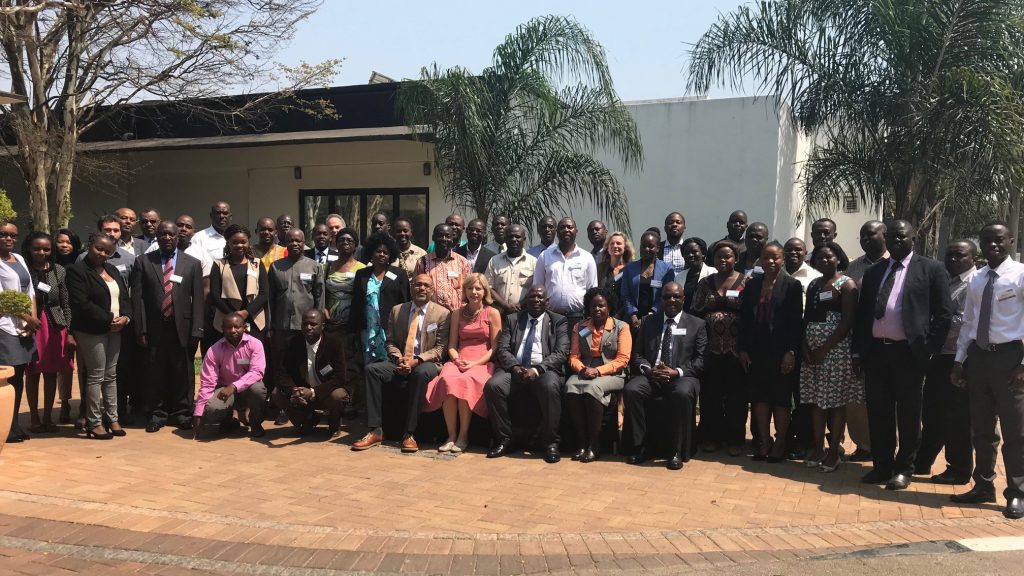
Plant quarantine experts on Pest Risk Analysis (PRA) from four countries in South Asia joined together in Bangladesh last week (4th -5th September) for a workshop led by CABI on the new Pest Risk Analysis (PRA) decision support tool and workflow. The PRA tool workshop, which was made possible through CABI’s Action on Invasives programme,…
Fall armyworm in Africa: communicating out of a crisis
Take a quick look at the map of the fall armyworm invasion. It gives you a good feel for the number of smallholder farmers in sub-Saharan Africa directly affected by a small caterpillar eating their staple crop – maize – at a rapid rate. As a communication professional working in agriculture, it has been the…
Investigating the impacts of the invasive species Prosopis in Baringo, Kenya
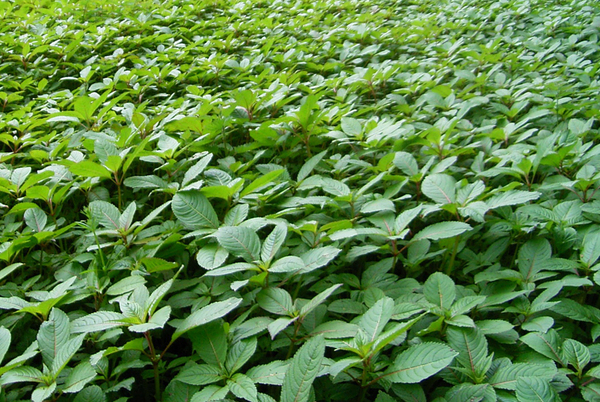
[slideshare id=50591340&doc=woodyweedsbaringofieldvisit-150716111136-lva1-app6892] The Baringo district northwest of Nairobi is one of the regions in Kenya where a number of mesquite species, Prosopis spp., were introduced some 40 years ago as part of poverty alleviation efforts. The trees were intended to provide, among other benefits, additional income. Today Baringo is one of the most heavily invaded…
The impacts of invasive weeds in Chitwan National Park, Nepal

Mikania (Mikania micrantha) is a tropical vine which is native to the Americas. Often referred to as the ‘Mile-a-Minute Weed,’ mikania grows rapidly in areas of high rainfall and has become highly invasive in parts of Asia and the Pacific. Under the Convention on Biological Diversity, invasive species are defined as alien species that threaten…
Tuta absoluta on the rampage in Africa
Watch a new video illustrating the devastating impacts that Tuta absoluta is having on tomato yields, and what this means for farmers who rely on these crops for sustenance and income. Dr Arne Witt, from CABI commented on the implications of Tuta absoluta infestation across Africa “Tomatoes are one of the most widely cultivated crops…
New in November 2014 from the ISC
In November 2014 the following datasheets were published on CABI’s Invasive Species Compendium (ISC). You can explore the open-access ISC here: www.cabi.org/isc Clerodendrum indicum (Turk’s turban) – this small shrub, native to temperate and tropical Asia, has been deliberately introduced principally to the Americas as an ornamental. Having long since escaped from cultivation, it is now established…