
Establishing parthenium leaf beetle (Zygogramma bicolorata) at new sites in Pakistan
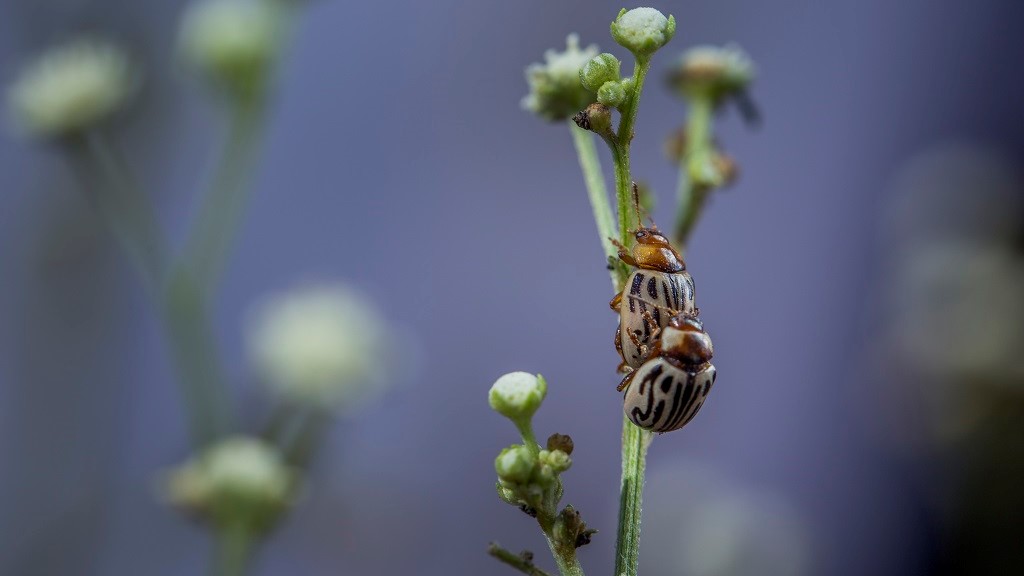
Parthenium weed (Parthenium hysterophorus) is an aggressive herbaceous plant native to north-east Mexico and is endemic in America, with no economic importance reported. This invasive weed has spread to over 50 countries, including Pakistan. Parthenium is prolific, yielding thousands of small white flowers each forming five seeds and on reaching maturity results in a huge number of…
CABI supports first Dutch field trials with exotic insect to combat Japanese knotweed

For the first time in the Netherlands, an exotic insect species is released into the wild to combat a harmful plant species. The Japanese knotweed psyllid should offer relief against the rampant Asian knotweed. Suzanne Lommen of the Institute of Biology Leiden is coordinating the field trials as part of a consortium which includes CABI,…
A plague during a pandemic: how to increase resilience against the desert locust outbreak
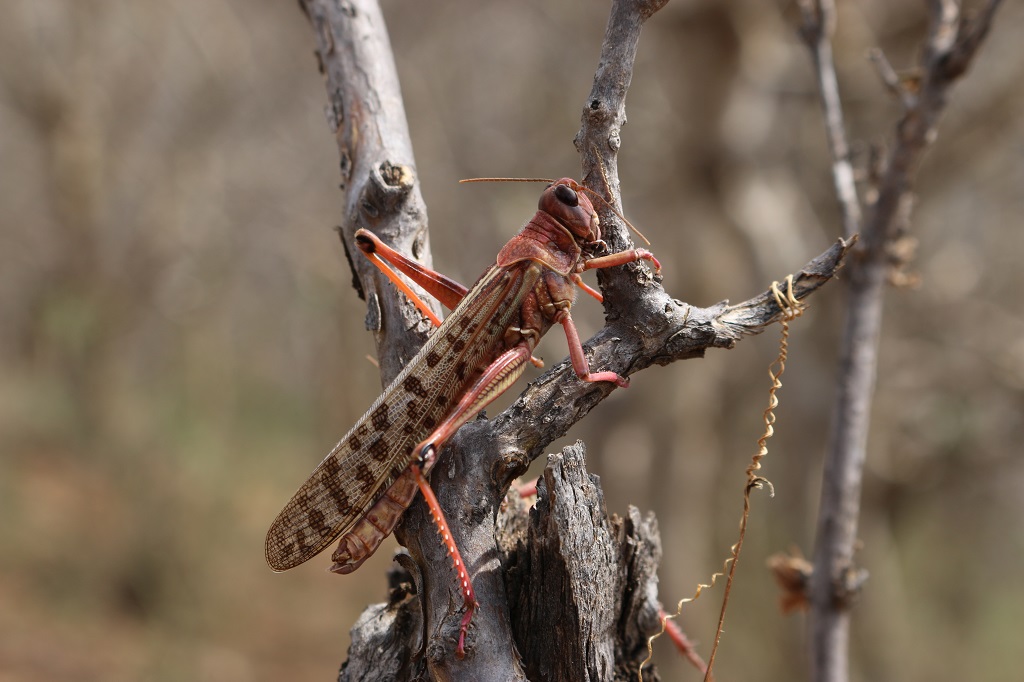
On 12 October, as part of a virtual side event for the World Food Prize’s annual Borlaug Dialogue, CABI hosted a panel session on A plague during a pandemic: how to increase resilience against the desert locust outbreak. The webinar aimed to communicate the urgent need for a comprehensive and coordinated response to this year’s…
Coronavirus and invasive species

This article was originally published on the CHAP blog. Dr Richard Shaw is Country Director and Regional Coordinator Invasives at CABI UK. Using his invasive species expertise, he examines the global spread of coronavirus
Extreme climate change could ‘more than double’ areas suitable for devastating fruit and nut pest
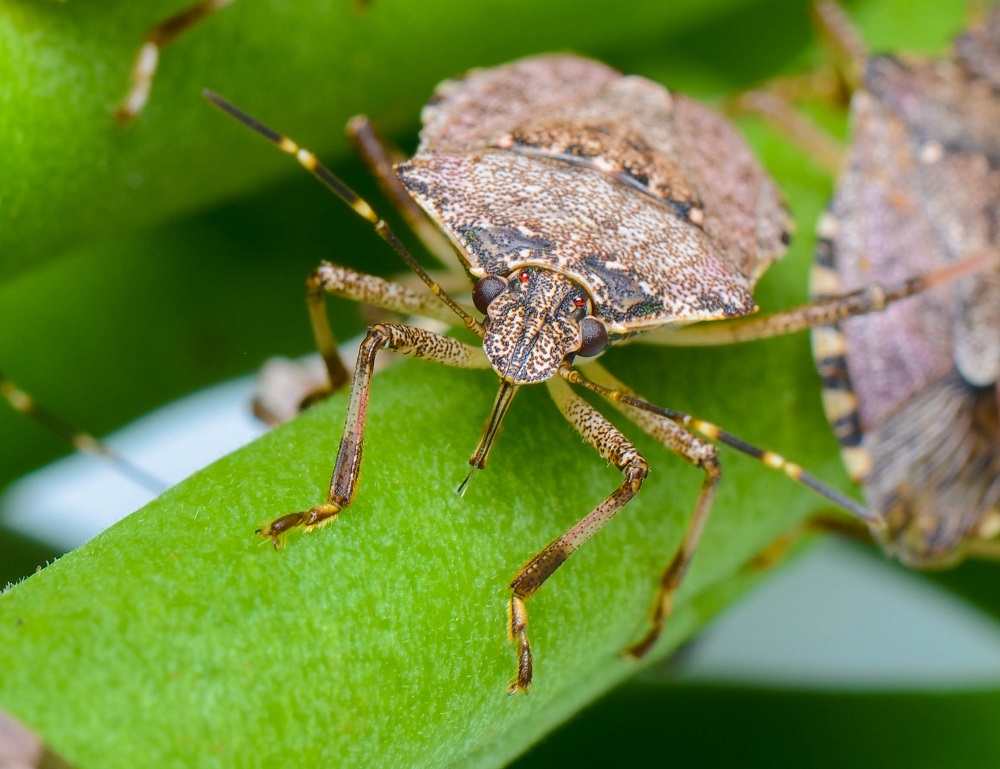
Scientists fear that extreme climate change could ‘more than double’ areas suitable for the devastating fruit and nut pest – the brown marmorated stink bug (Halyomorpha halys) – which is already posing a significant risk to crops in Europe, North America and East Asia where it originates.
Fostering collaborations for utilizing and promoting biocontrol agents to fight fall armyworm in Bangladesh
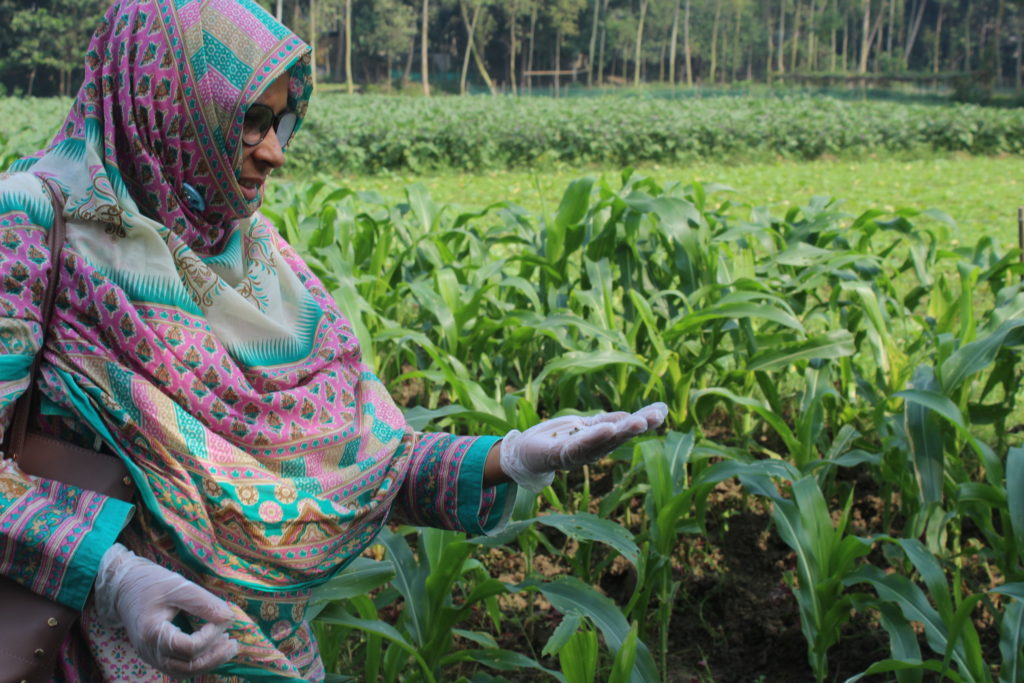
By Nirmal K. Dutta, Debasish Sarker, Manju Thakur, and Malvika Chaudhary Driven by changing climatic conditions and by increases in globalization and trade, the highly destructive pest, fall armyworm (FAW) has made its way towards Asia after invading Africa. After being reported in India in 2018, it was subsequently reported by other countries in Asia…
Endophyte may protect tomatoes from Tuta absoluta pest attack
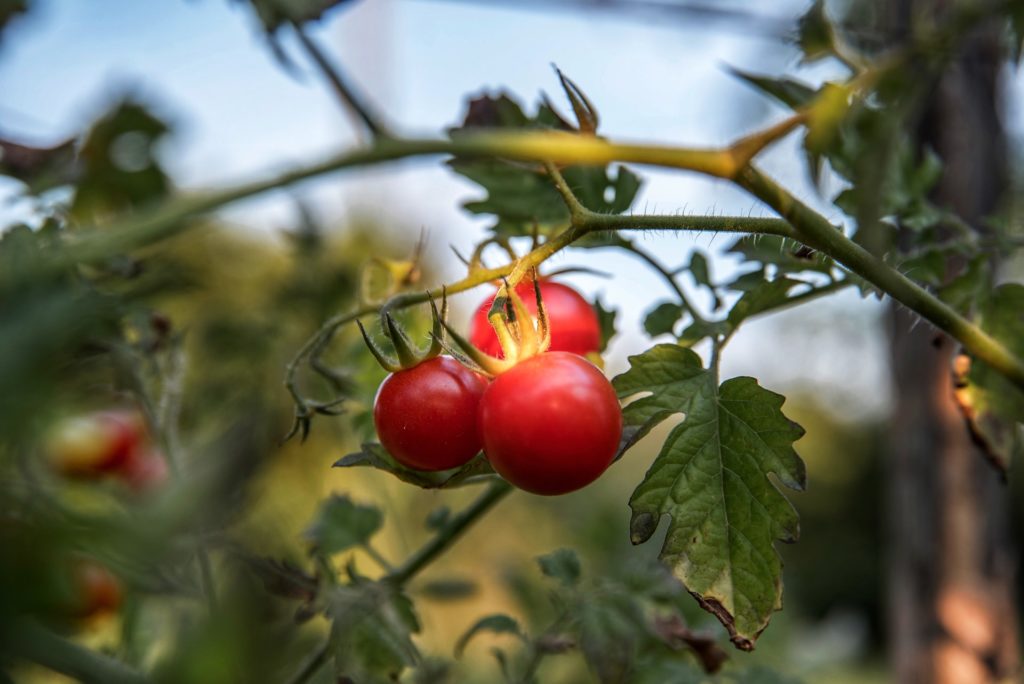
Successful colonization of tomato seedlings with Beauveria bassiana fungus could reduce crop losses Trials in Brazil suggest seedling inoculation with the entomopathogenic fungus Beauveria bassiana could be a viable commercial option for marketing pre-colonized tomato plants ‘resistant’ to the tomato leaf miner Tuta absoluta.
Study brief explores outcomes and lessons learnt from fall armyworm management plan in Ghana

A team of CABI and Plant Protection and Regulatory Services Directorate (PPRSD) scientists have shared their expertise on invasive species and development communications and extension to publish a new CABI Study Brief looking at the outcomes and lessons learnt from the implementation of a fall armyworm management plan in Ghana.
Invasive weeds in America’s Western states: restoring balance using biological control
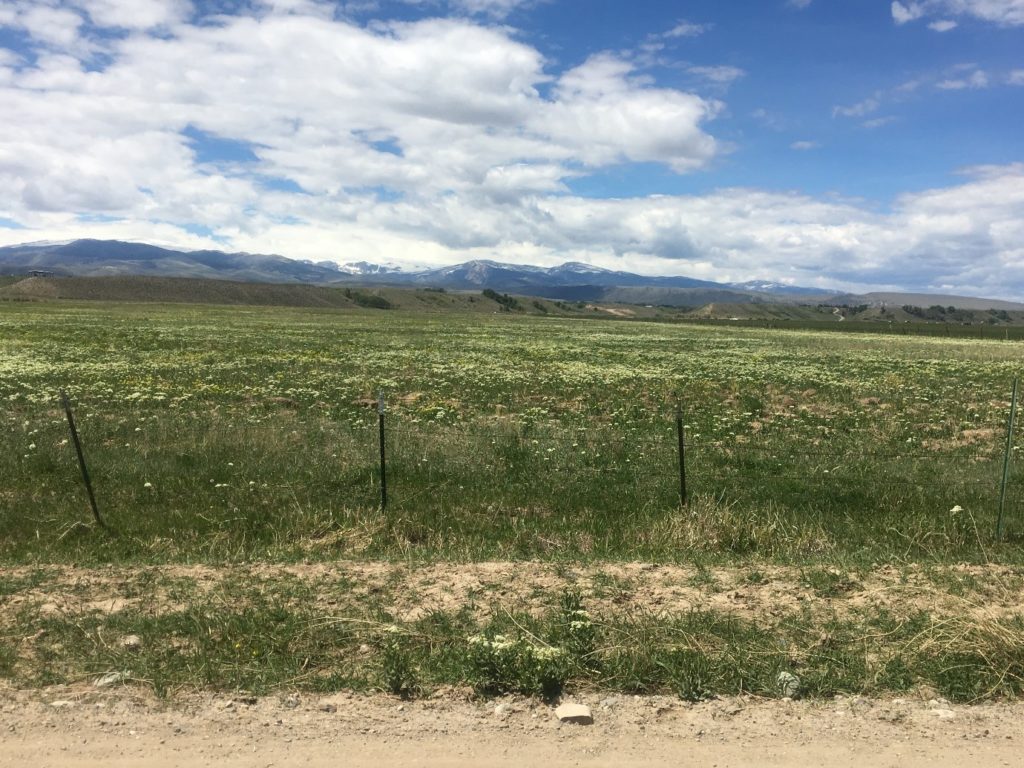
In many of America’s Western states, invasive weeds such as houndstongue (Cynoglossum officinale), Russian knapweed (Rhaponticum repens), yellow and Dalmatian toadflax (Linaria vulgaris and Linaria dalmatica), oxeye daisy (Leucanthemum vulgare), and hoary cress (Lepidium draba) are serious problems. However, research shows that biological control, as part of an integrated weed management strategy, offers the potential for a cost effective and efficient way of reducing invasive plant species to levels below acceptable damage thresholds.
FAW Infestation: CABI, MoFA, others explore safe & sustainable management control
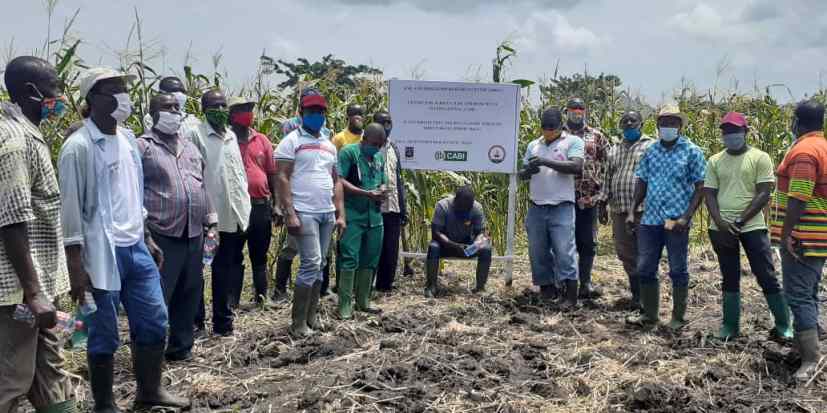
As part of efforts to sustainably manage the Fall Armyworm (FAW) in Ghana, the Centre for Agriculture and Bioscience International (CABI) and the Ministry of Food and Agriculture’s (MoFA) Plant Protection Regulatory Services Directorate (PPRSD) in collaboration with the University of Ghana Soil and Irrigation Research Centre (SIREC) at Kpong have begun exploring biological control options for safe and sustainable management of Fall Armyworm (FAW) in the country.