
Eucalyptus – the ‘thirsty’ trees threatening to ‘drink’ South Africa dry
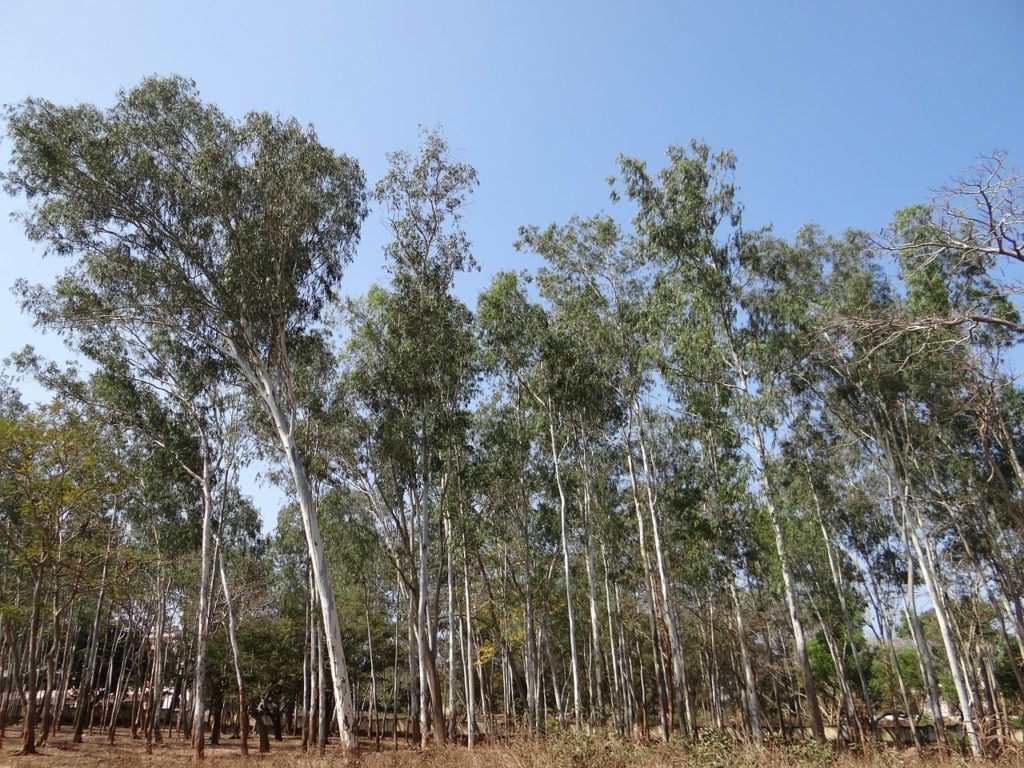
Eucalyptus species are widely grown and utilized throughout much of the world, Dr Arne Witt reports. They are a valuable source of timber, fuelwood, paper, nectar, etc. and as such often grown in woodlots and plantations. However, many of these introduced species have escaped cultivation and become invasive.
New study: current resource use in areas of increasing prosopis cover is unsustainable

By Dr Urs Schaffner, Head Ecosystems Management In a newly-published paper in the journal Ecosystems Services: ‘The impact of invasive species on social-ecological systems: Relating supply and use of selected provisioning ecosystem services’, CABI scientists joined an international team of researchers who, in respect of the invasive weed prosopis, conducted the first study that integrates…
Invading Europe’s waterways: the crayfish occupation

Crayfish are freshwater crustaceans that can be found in a range of freshwater habitats, from fast-flowing rivers to swamps and ditches. Even in places where they are abundant, they are secretive and not commonly seen, so the ongoing widespread invasion by non-native crayfish species is unknown to many.
CABI shares expertise on highly noxious and invasive parthenium weed at international conference on climate smart agriculture
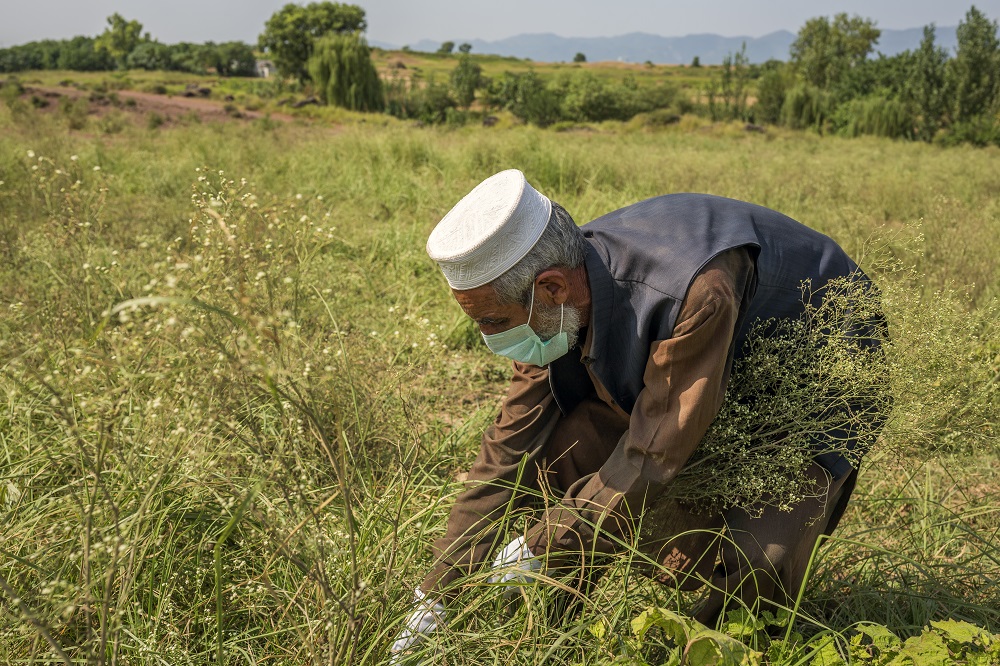
By Dr Kazam Ali, Biocontrol Research Officer – CABI Central and West Asia (CWA) International conferences are priceless opportunities, not only for researchers and scientists but also for experts, policy makers, stakeholders and students, to ‘sharpen your saw’ by learning new skills in a different environment.
Meet the man behind the headlines: The ‘Stink Bug Man’ Dr Tim Haye

Tim Haye spends a lot of his time behind the lens of a microscope or camera studying and capturing a range of invasive pests – largely unseen to the human eye. Recently Tim has been the focus of attention himself with the Swiss media keen on learning more about one of his ‘bugbears’ – the…
Predicting the spread of invasive spotted lanternfly
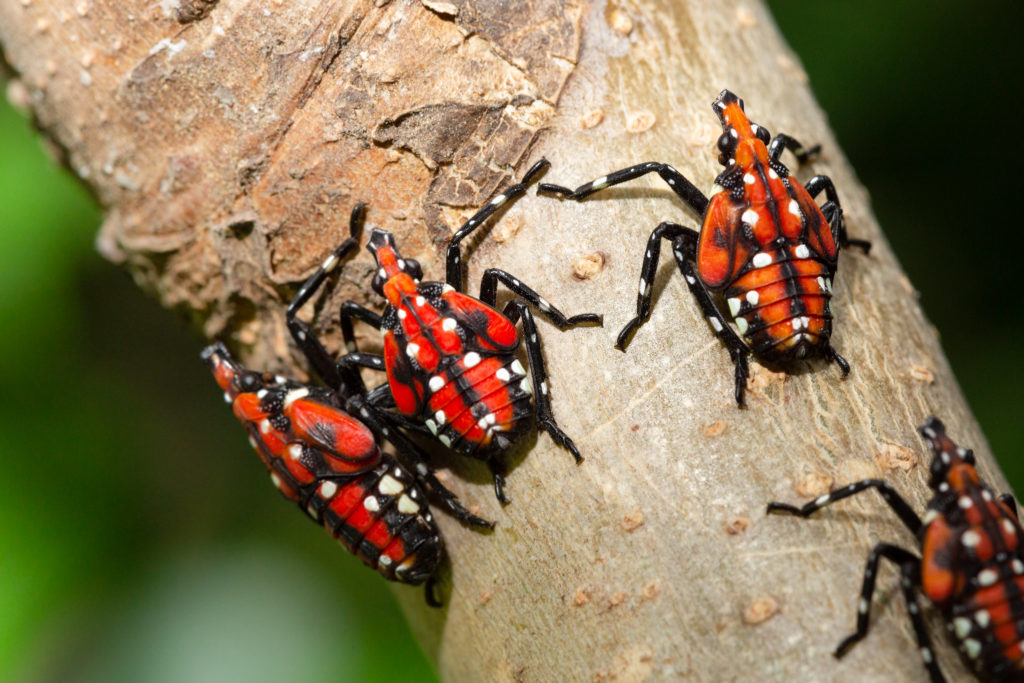
The spotted lanternfly (Lycorma delicatula) is an emerging insect pest of a number of economically important crop plants. Originating from China, its primary host plant is tree of heaven (Ailanthus altissima), which is itself considered to be a noxious invasive species in some areas of the United States.
New Pest Risk Analysis Tool to improve biosecurity in international trade of plant commodities
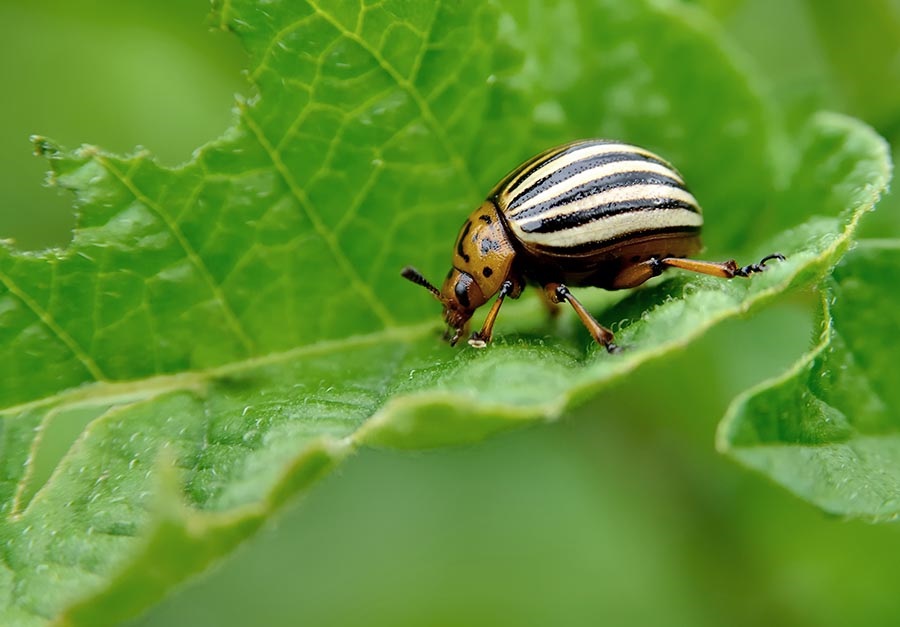
CABI has launched a new product to help facilitate and improve the biosecurity of plants and plant products being traded around the world that are at risk of invasive pests such as the Colorado beetle – a major threat to potato crops.
UAV spraying: combating the spread of fall armyworm across China

Fall armyworm (FAW) has continued to spread across China since early January, with the pest being identified in over 600,000 hectares of farmland across 18 provinces. Now, the government and farmers are looking for solutions to tackling this invasive species. Fall armyworm in an incredibly destructive pest species native to the tropics and sub-tropics of…
Shedding light on the biodiversity impacts of the tomato leafminer

The ecological effects of a widespread crop pest The tomato leafminer Tuta absoluta is one of the most widespread and impactful invasive crop pests in the world. First reported in Peru in 1914, the tomato leafminer is now recorded throughout South America, Africa and Europe and is estimated to infest 60% of all cultivated tomatoes worldwide. Recent studies…
National emergency declared as Colombia confirms the presence of TR4 banana disease
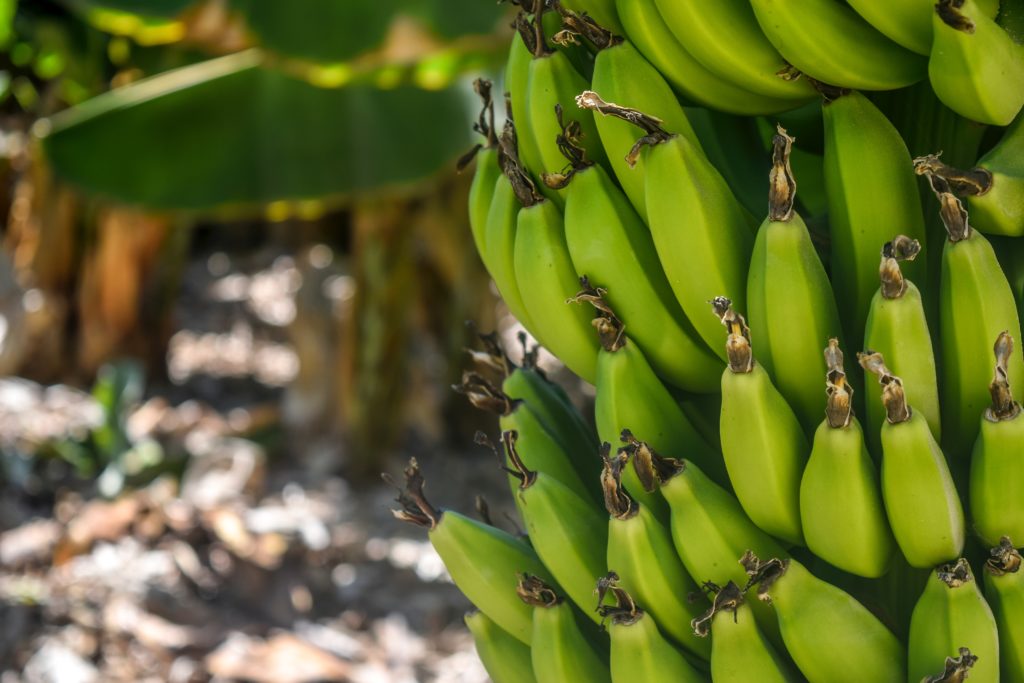
The global banana industry is facing a new major threat. On the 8th August, the Colombian Agricultural Institute announced that it has confirmed the presence of a strain of Fusarium oxysporum f.sp. cubense, known as Tropical Race 4 (TR4) in the northern region of the country. Since then the Colombian government has issued a national…