
Traded forest tree seeds pose a great risk of introducing harmful pest, new research shows
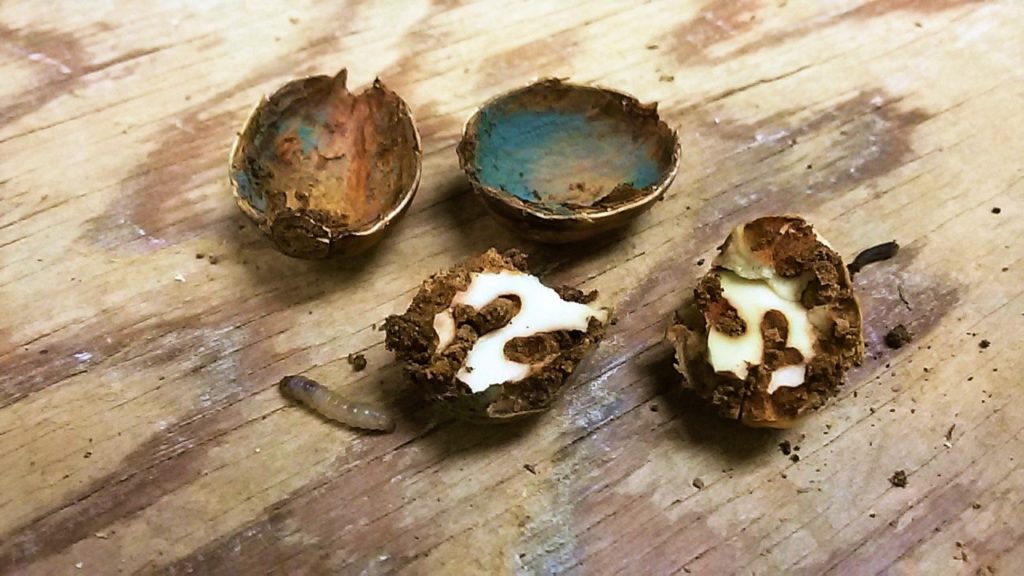
CABI has led an international team of scientists who strongly suggest that the global trade of forest tree seeds is not as safe as previously believed, with insect pests and fungal pathogens posing a great risk to trees and forest ecosystems worldwide. Non-native insect pests and fungal pathogens present one of the major threats to…
Continuing the biological fight against a hardy foe – the maize-devastating western corn rootworm

CABI is continuing the fight against the maize-devastating western corn rootworm (Diabrotica virgifera virgifera) by collecting more than 22,000 live specimens of this chrysomelid beetle for further research into its biological control. Dr Stefan Toepfer has been busy in the maize fields of southern Hungary gathering the insects, which, of Mexican origin, have invaded many maize…
Deploying biopesticides to combat fall armyworm in South Sudan
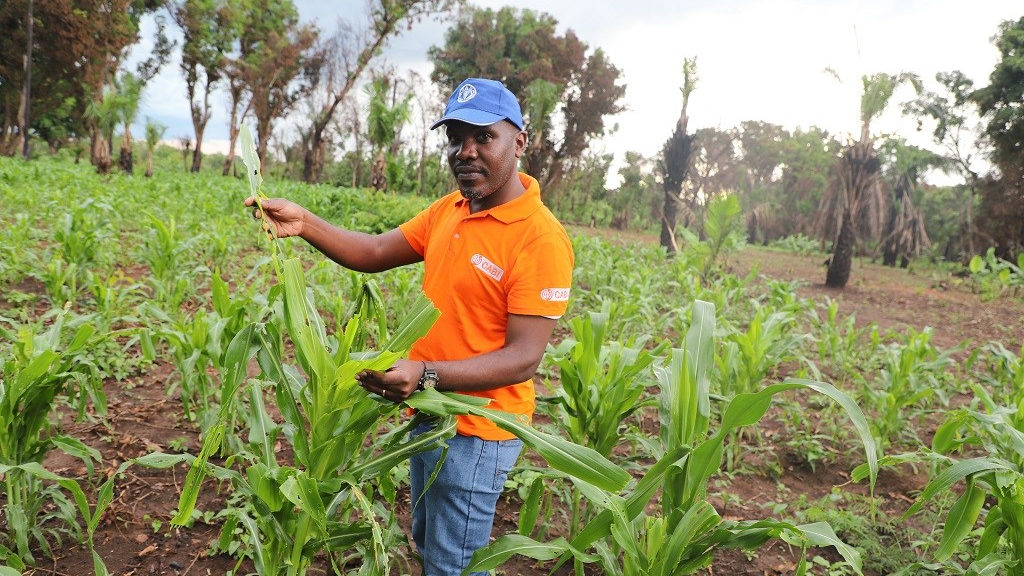
A new project in South Sudan is combatting the fall armyworm, an insect that can cause significant damage to crops, particularly maize. With more than half of South Sudan’s current population—nearly 6.2 million people—in need of life-saving food assistance, safeguarding food security where possible is essential. Launched in January 2019 as a partnership between CABI,…
Collaborative effort in Kenya to manage the impact of scale insect in coastal region

By Fernadis Makale, CABI Scale insects – such as the coffee mealybug and cassava mealybug – are some of the least studied group of invertebrates in East Africa. However, a collaborative effort has been made to address the threat they pose to smallholder farmers: despite their cross-cutting status as pests in all plant groups, crops,…
CABI joins international team of scientists calling for a Global Surveillance System to fight crop diseases
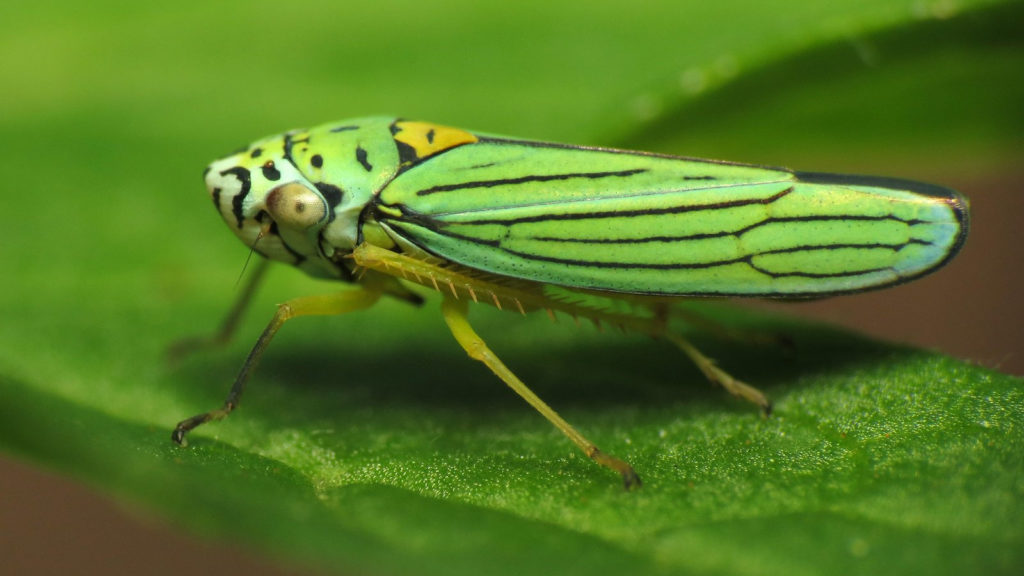
CABI has joined an international team of scientists calling for a Global Surveillance System (GSS) to fight a range of diseases which threaten priority crops including maize, potato, cassava, rice, beans and wheat. The team, which includes the International Center for Tropical Agriculture (CIAT) – lead authors of a new report published in Science (28 June 2019),…
Scientists recommend measures to contain rapid woody weed spread in Baringo County, Kenya
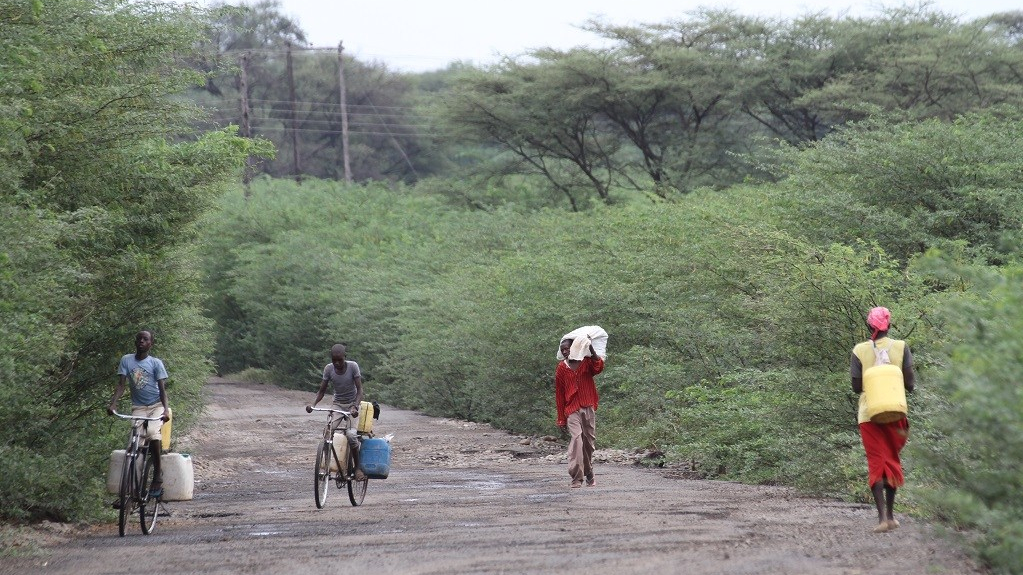
A team of international scientists, including CABI’s Dr Urs Schaffner, have recommended ways to manage the devastating spread of the woody weed Prosopis juliflora, where in Baringo County, Kenya, its coverage rapidly increased by 2,031 percent in just 28 years. PhD student Purity Rima Mbaabu, affiliated to the University of Nairobi and co-supervised by Simon…
Collaborative writeshop produces pest management decision guides for invasive species in Pakistan

Invasive alien species (IAS) have devastating impacts on native biota, causing the decline or even extinction of native species, negatively affecting ecosystems. Invasive plants, animals, insects and microorganisms enter and establish in environments outside of their natural habitat. They reproduce rapidly, out-compete native species for food, water and space, and are one of the main…
CABI’s new quarantine facility creates greater capacity for Parthenium research in Pakistan
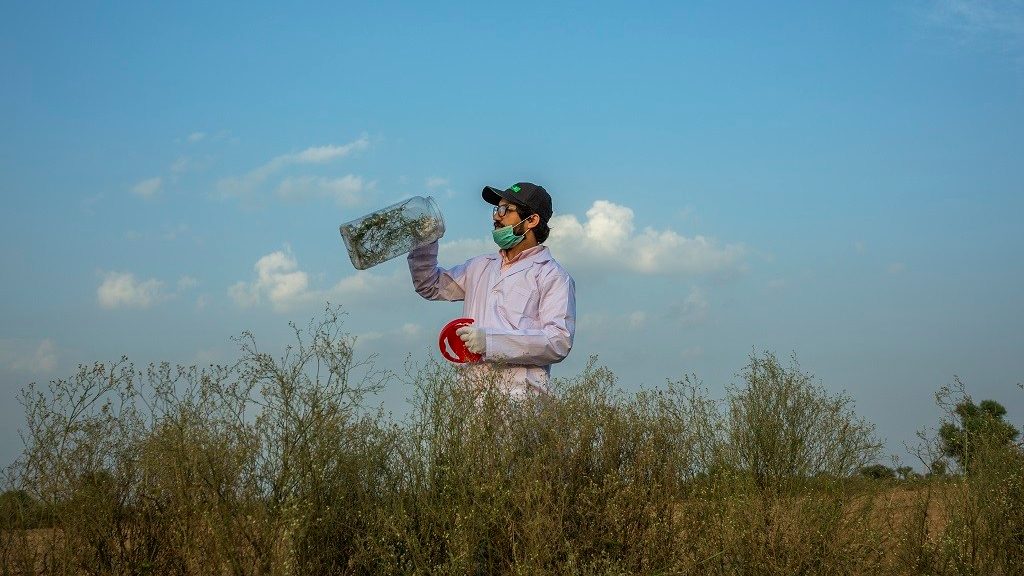
CABI has increased its capacity to fight the highly invasive and destructive Parthenium weed by opening a new quarantine facility at its Central and Western Asia (CWA) offices and laboratories in Rawalpindi, Pakistan.
CABI publishes recommendations to fight scourge of parthenium weed in Central West Asia

CABI has published a new evidence note highlighting a list of recommendations to fight the highly-invasive parthenium weed which can have significant impacts on human health, the environment, livestock production and health and crop yields. The report ‘Parthenium: Impacts and coping strategies in Central West Asia’, states that the aggressively-spreading weed, now classified as a ‘superior…
New study reveals the massive ecological and economic impacts of woody weed invasion in Ethiopia
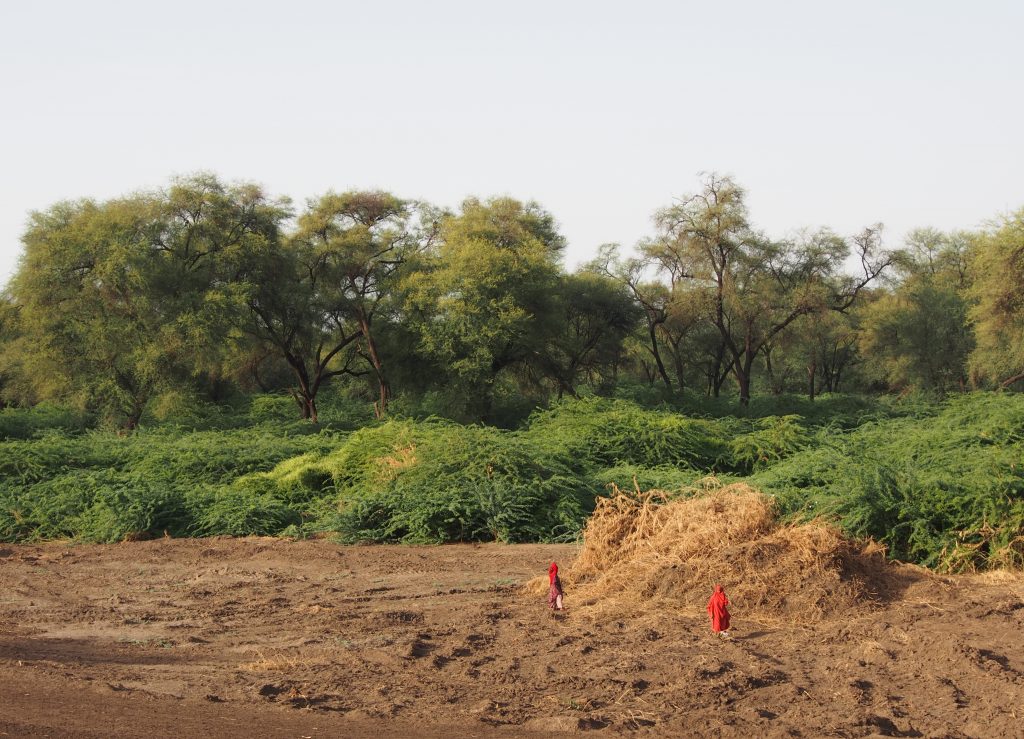
CABI scientists have revealed the massive ecological and economic impacts that the invasive alien tree Prosopis juliflora has had across the Afar Region of north eastern Ethiopia. Dr Urs Schaffner, who is supervising lead author Mr Hailu Shiferaw for his PhD studies, contributed to the Science of The Total Environment published research which shows that the…