
Why biological control is an important tool to manage problematic invasive species in Europe

Written by Dr Urs Schaffner, head of the Ecosystem Management section at CABI Europe-Switzerland. Over the last few years, biological invasions have become a regular topic in the news. Today the general public is probably better informed about the negative environmental and economic impacts alien invasive species can cause than ever before. However, concern about invasive…
Invasive species, climate change and tourism impacts the greatest threats to natural World Heritage
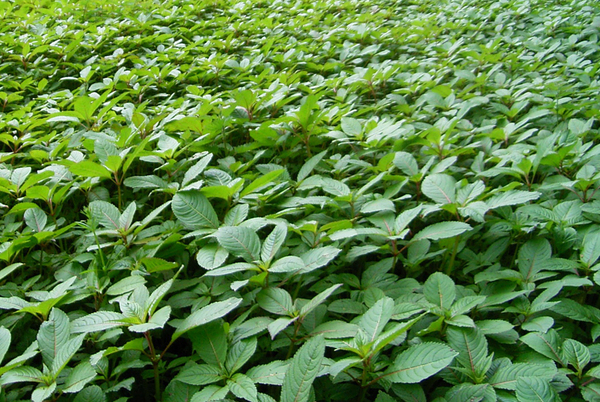
A new report from the IUCN looks at conservation prospects, threats, protection and management of natural World Heritage sites. The IUCN World Heritage Outlook 2 summarises the key trends in the state of conservation of natural World Heritage sites, the threats and pressures they are facing, and the effectiveness of their protection and management. The…
Controlling the European earwig on the Falklands
Contributed by Norbert Maczey, CABI The European Earwig, Forficula auricularia (order Dermaptera) was recently introduced to the Falkland Islands and has since become locally common in Port Stanley and a number of settlements in both East and West Falkland. Since its introduction this invasive species has caused considerable problems ranging from yield losses in horticulture…
Where to find CABI’s open-access information on fall armyworm
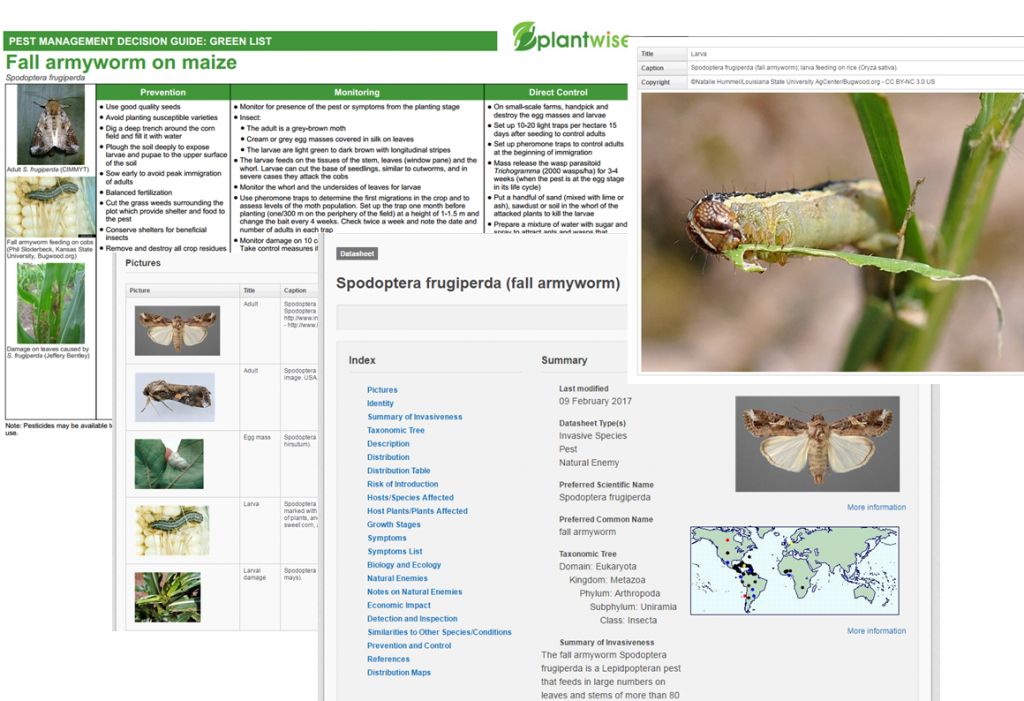
The fall armyworm, Spodoptera frugiperda, is making headlines worldwide for all the wrong reasons. The caterpillar crop pest, native to the Americas, was reported in Africa for the first time last year and is now rapidly marching across the continent. It is a voracious pest of maize and other staple crops and has already destroyed…
New in August 2015 from the ISC
In August 2015 the following datasheets were published on CABI’s Invasive Species Compendium (ISC). You can explore the open-access ISC here: www.cabi.org/isc Bidens frondosa (beggarticks) – native to North America, this herbaceous annual has a range of medicinal, herbal and decorative uses and been introduced throughout Europe as well as New Zealand and parts of Asia. The…
New in July 2015 from the ISC
In July 2015 the following datasheets were published on CABI’s Invasive Species Compendium (ISC). You can explore the open-access ISC here: www.cabi.org/isc Akebia quinata (five-leaf akebia) – a highly invasive, aggressive vine native to East Asia, A. quinata has been introduced as an ornamental to Canada, Europe, Oceania and the USA. It can outcompete native understory plants…
New in June 2015 from the ISC
It’s been a bumper month for the ISC, with 42 new datasheets published and the total number of full datasheets topping 2000. You can explore the open-access ISC here: www.cabi.org/isc Bothriocephalus acheilognathi (Asian fish tapeworm) – in the past few decades this tapeworm has spread from its native East Asia to all continents except Antarctica, largely…
On the trail of an ancient invasive
‘if men were not employed to prune these trees… they would cover the country, completely invading it.’ Sound familiar? It could be a description of any number of invasive trees, from the trumpet tree (Cecropia peltata) spreading through West Africa to the candlenut tree (Aleurites moluccanus) currently invading Pacific islands. But it’s actually an account…
New in May 2015 from the ISC
In May 2015 the following datasheets were published on CABI’s Invasive Species Compendium (ISC). You can explore the open-access ISC here: www.cabi.org/isc Bubalis bubalis (Asian water buffalo) – domesticated herds of the Asian water buffalo are widely kept across Asia and southern Europe, where they are considered naturalised and not invasive. However, introduced populations in Australia and…
New in April 2015 from the ISC
In April 2015 the following datasheets were published on CABI’s Invasive Species Compendium (ISC). You can explore the open-access ISC here: www.cabi.org/isc. Triumfetta semitriloba (burweed) – this weedy perennial shrub species, native to large parts of tropical and subtropical America, has been introduced to a number of Pacific islands, where it is now invasive. Its international spread is…