
Stepping up the fight against Tuta Absoluta in Kenya with safer and sustainable biocontrol products
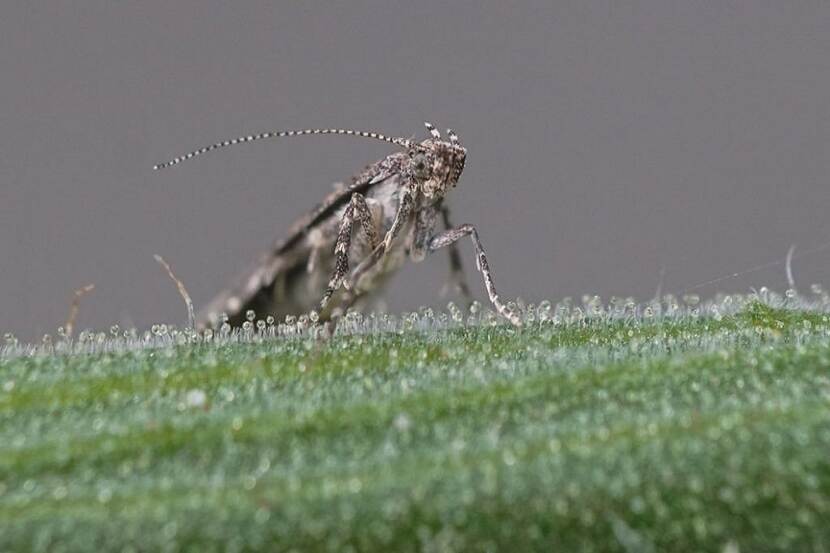
Tomato is one of the most important vegetables grown by farmers in Kenya and plays an important role in generating employment and income. However, tomato production is limited by many factors, the most important of which are insect pests. Tomato farmers tend to control tomato pests with pesticide sprays, but these pose risks to the…
Insect heroes fighting invasive species
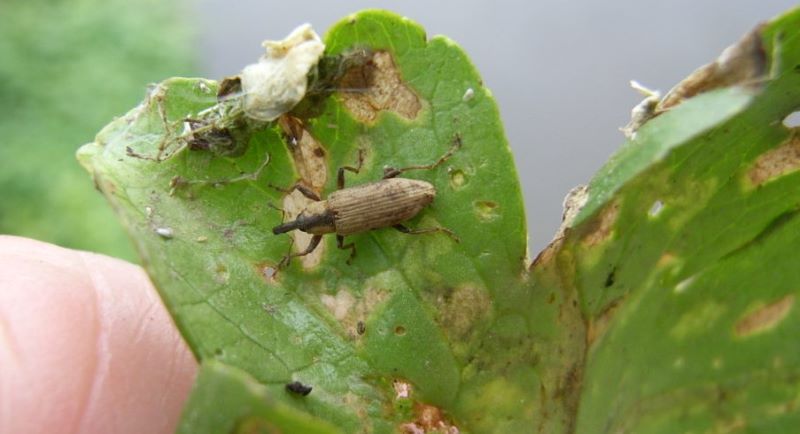
Today marks the beginning of Insect Week (21-27 June) – a week to learn more about the science and natural history of insects. We are highlighting some of the insect heroes, and villains, CABI scientists work with on a regular basis. Scientists at CABI’s Egham laboratory work with a range of insect species, from plant-parasitic…
Weeding Invasive Alien Species – Africa’s Economic Burden
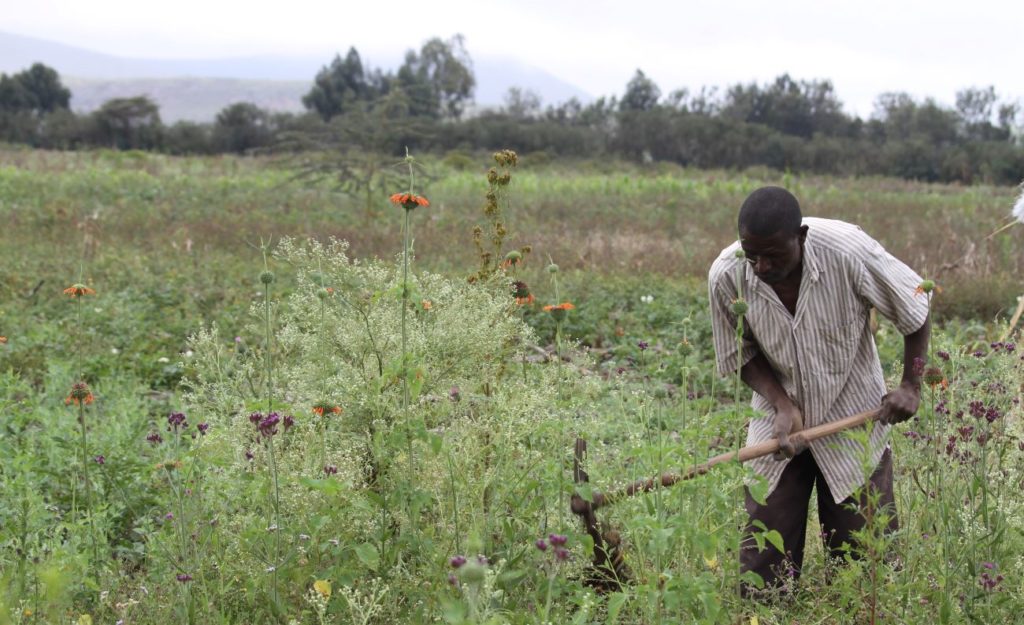
Weeds wreak havoc, day after day, year after year. They degrade agricultural land, deplete water resources and destroy crops, as well as being alternative hosts for crop pests. Yet, while weeds do cause damage to crop yields, a newly published study reveals that the vast majority of the costs are due to weeding.
On Earth Day, we take a look at the sustainable control of invasive species
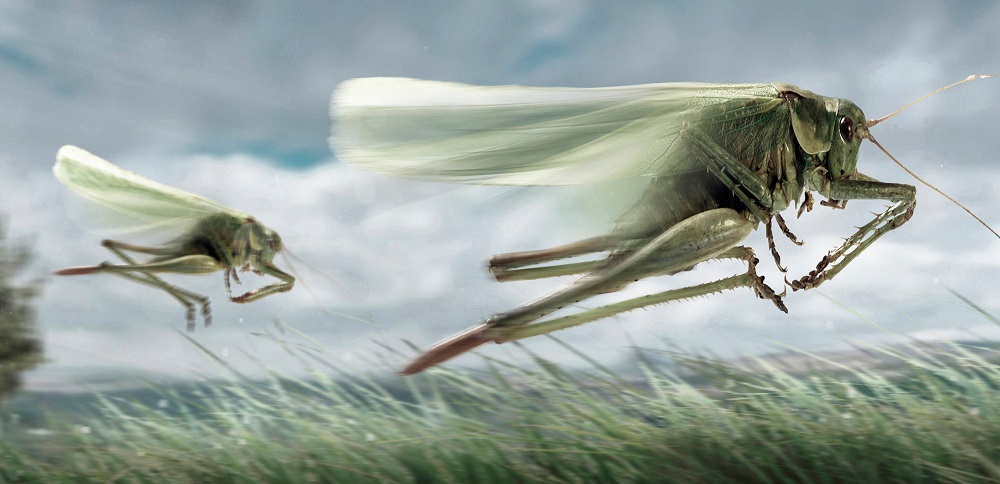
Today is Earth Day – a day when people around the world show their support for environmental protection. CABI’s vision is for a world in which the agricultural sector is embedded in a healthy and climate resilient landscape with clean water and air, healthy soils and functional ecosystem services, and where biodiversity is safeguarded through…
New paper aims to clarify confusion in leaf damage rating scales for fall armyworm
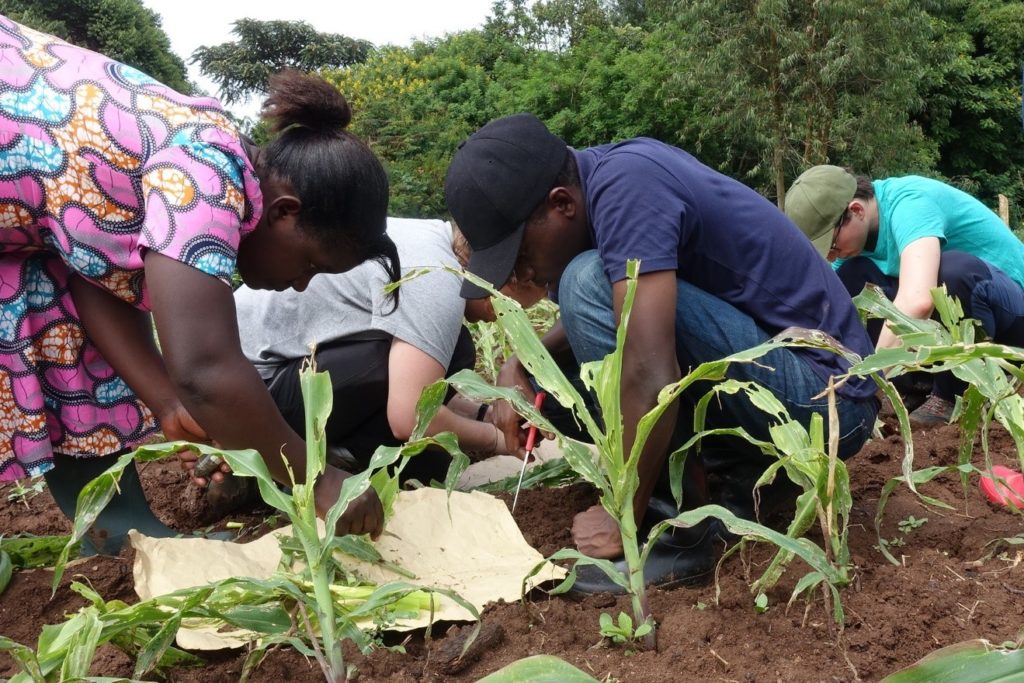
A trans-regional group of researchers has sought to cast light on the numerous rating scales used for assessing leaf damage caused by the highly destructive invasive maize pest, the Fall armyworm (Spodoptera frugiperda).
Invasive species hitch a ride on marine litter

We are more aware than ever of the impact of pollution on marine life, from ingestion and entanglement in manmade waste, through to the discovery of microplastics within microorganisms, fish and large mammals. One perhaps overlooked impact is its role in the spread of invasive species. Acting as a raft on which potential invasive species…
In the fight against Parthenium, make sure to “know your enemy”
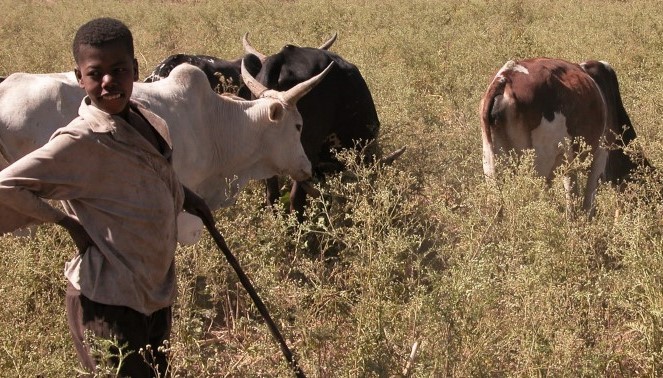
Latest book in the CABI Invasive Series: Parthenium Weed Parthenium weed (Parthenium hysterophorus) is considered one of the worst weeds in the world. It has invaded and is widespread in about 48 countries in Africa, Asia and the South Pacific, and has the potential to spread to new countries in Africa, Asia and parts of…
Breathe easy with biocontrol
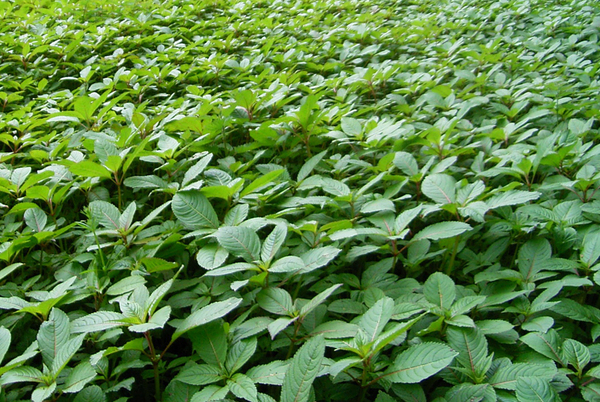
One in four people in Europe suffer from hay fever, affecting the quality of life of millions. The average cost of hay fever related diseases amounts to around €600 per patient per year from treatment costs and lost time working. One of the worst offending invasive plants for hay fever sufferers is the North American…
New research assesses the effect of invasive crayfish on mosquito survival
Red swamp crayfish (Procambarus clarkii), often known as the Louisiana crawfish are staple part of Cajun cuisine. However, new research published in Conservation Biology has found that the highly invasive crayfish allows mosquitoes to thrive in waterways, therefore making it more likely to increase the risk of mosquito-borne diseases.
Using DNA to detect a stinkbug invasion

The use of DNA to detect a stinkbug invasion proposes a revolutionary advancement in agricultural pest surveillance following the success recorded on a piloted experiment conducted on farms in the USA. These interlopers attack all manner of produce, ranging from fruits to leafy vegetables. However, the adoption of DNA techniques in detecting its early invasion…