
CABI refurbishes MoFA laboratory for biological control of invasive species in Ghana
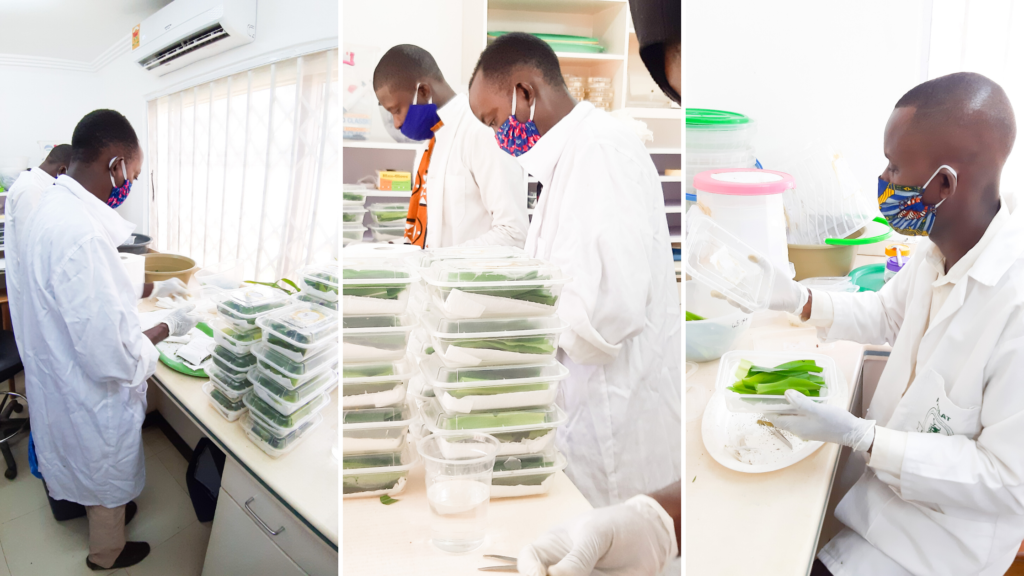
Through its global Action on Invasives (AoI) programme, CABI has refurbished a laboratory housed by the Plant Protection and Regulatory Services Directorate of Ghana’s Ministry of Food and Agriculture (MoFA-PPRSD). The lab supports research efforts aimed at discovering and promoting locally practicable biological control solutions for managing invasive species in Ghana. The refurbishment consisted of…
Tomato farmers in Kenya believe area-wide pest management can easily be instituted and effectively control Tuta absoluta
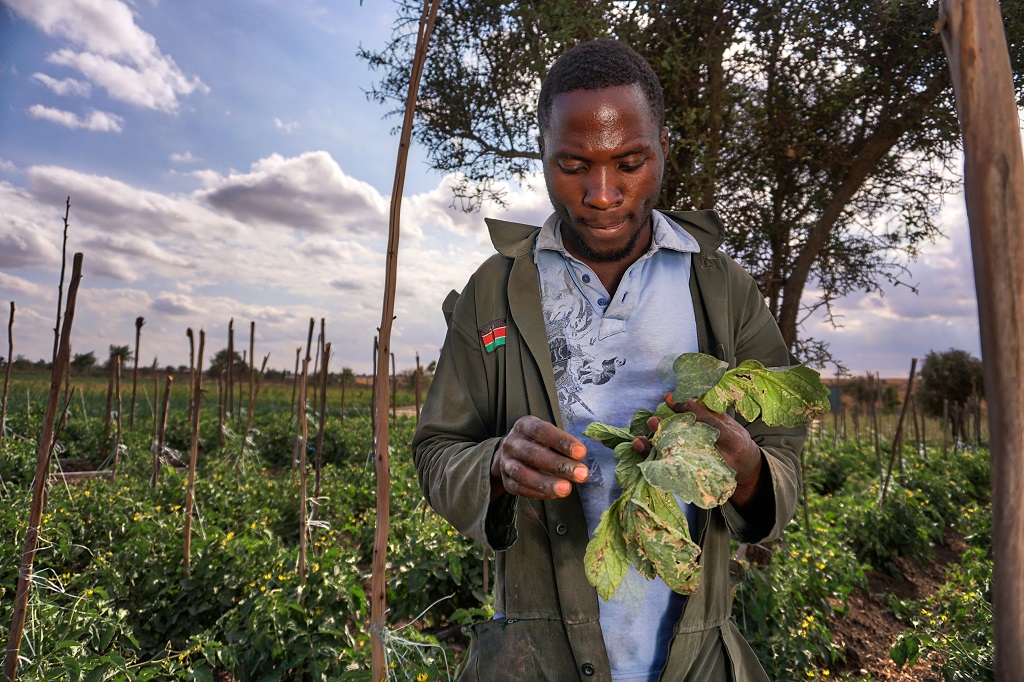
Tomato is one of the most important vegetables grown in Kenya and plays a critical role in income generation and creation of employment for both rural and urban populations, in addition to meeting food nutritional requirements. Tuta absoluta – also known as tomato leafminer – is a native of South America (Peru) and is one…
Planting invasive species could make our carbon problem worse
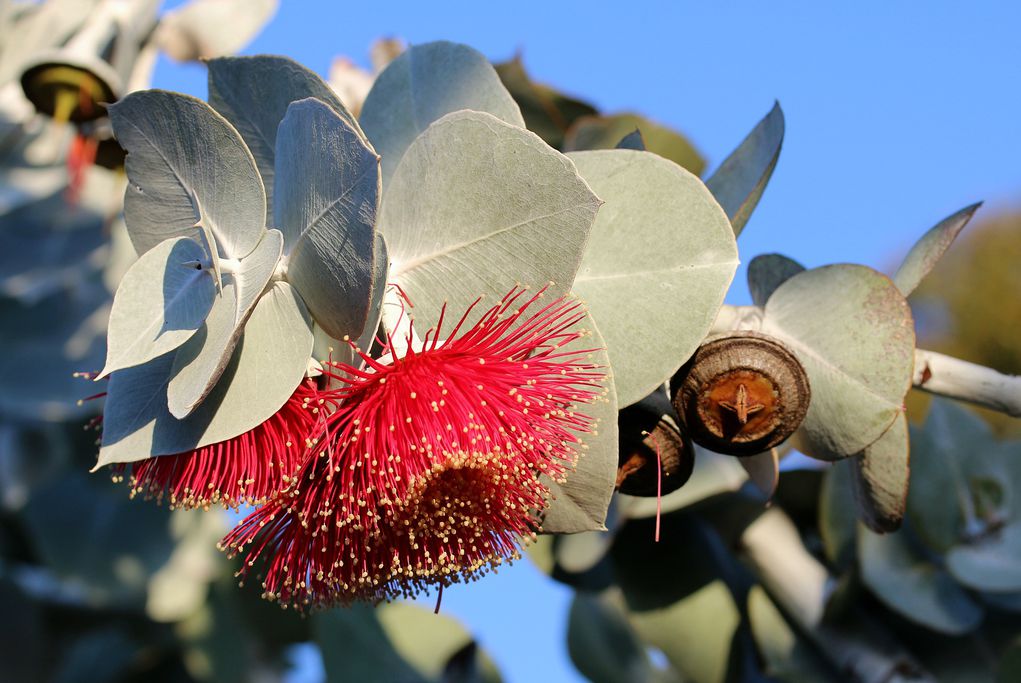
This article was originally published on Popular Science Fast-growing vegetation can reduce carbon stored underground. The radiata pine has unwittingly taken root across the world. Its native range is confined to a small section of the California coast and a few islands along Baja California. Today, millions of acres of the tree are spread across South America,…
Sentinel trees: an early warning system for new invasive threats

With increased levels of human development, transportation and changing climates, we are seeing greater instances of invasive species introduction and spread across all continents. Such invasive species can cause significant ecological and economical impacts in targeted areas, for example the elm bark beetle (Hylurgopinus rufipes) which spread across Europe from North American log transports and…
Tomato farmers in Kenya willing to use integrated pest management and bioproducts to manage Tuta absoluta
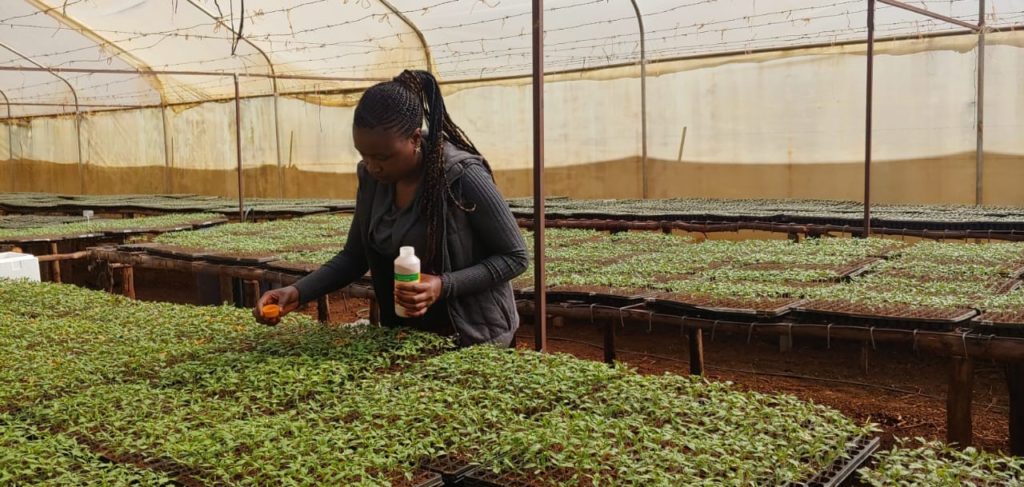
Tomato is an important crop in meeting domestic nutritional food requirements as well as in income generation and creation of employment for both rural and urban populations in Kenya. However, tomato production is facing serious challenges from the invasive pest, Tomato leafminer (Tuta absoluta.) Since 2014, T.absoluta has become the most serious threat to the sustainable production…
Controlling Himalayan balsam, one of the UK’s most invasive weeds
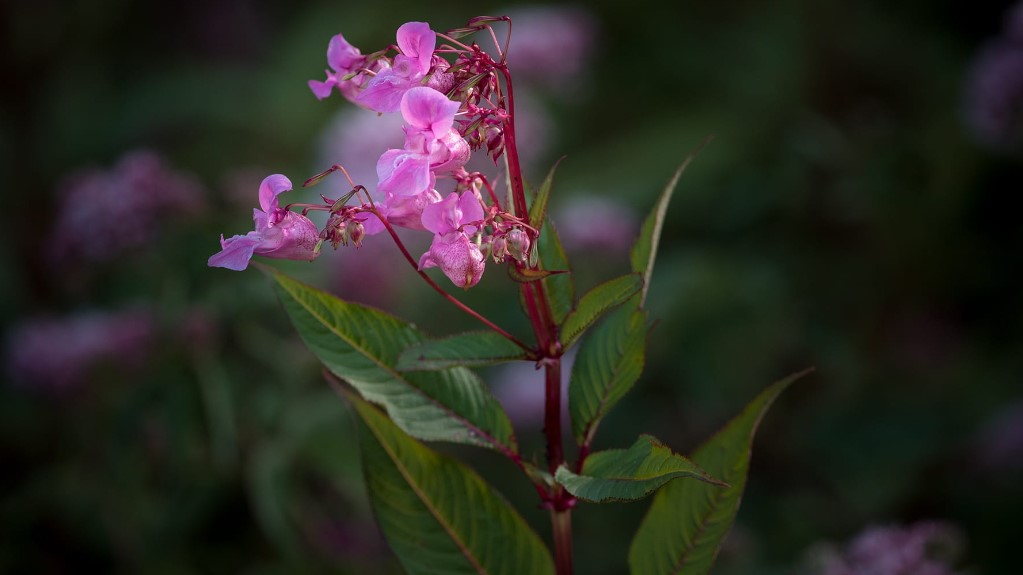
Himalayan Balsam’s beautiful pink flowers appear between June and September. We take a look at Himalayan balsam (Impatiens glandulifera), one of the UK’s most invasive and problematic weed species, and the work CABI is doing to combat its spread. Why is Himalayan balsam such a big problem?
Biocontrol: Early season leaf damage could inform us whether a noxious invader produces seeds
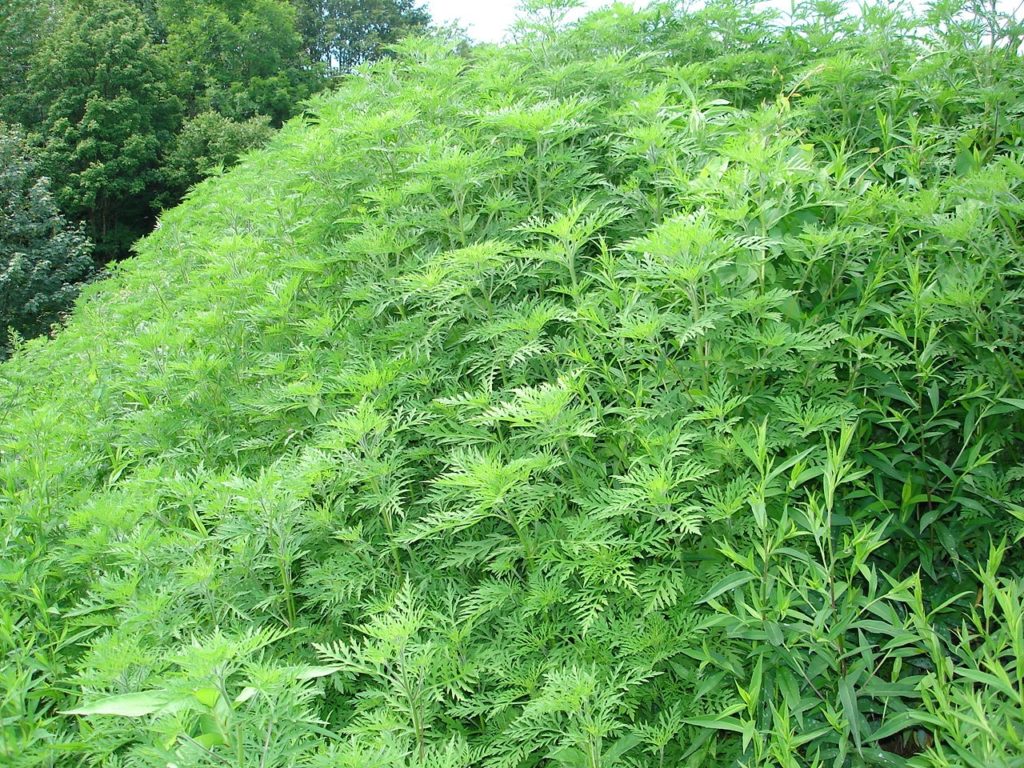
CABI scientists suggest a forecasting model could assess the ability of a humble beetle to control Ambrosia artemisiifolia, which causes major crop losses and is a nuisance to human health, as part of a wider management plan that also includes mowing, ploughing or mulching of the fields just before male flower formation.
Training of trainers on de-linting of cotton seed to ensure quality of crop
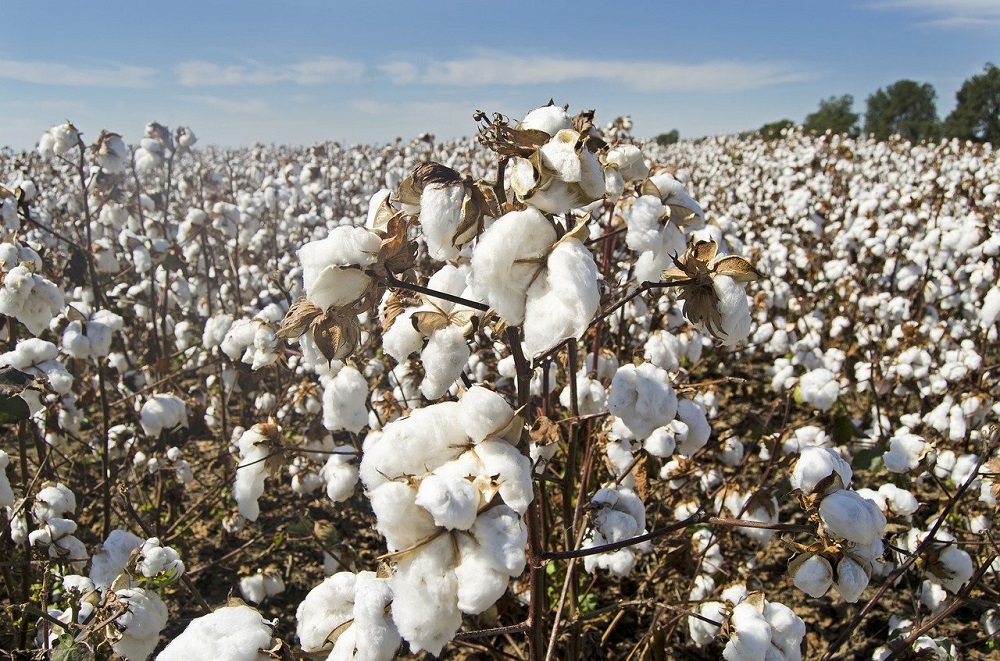
By Rauf Ahmed Khan Laghari, Project Manager, CABI Cotton is a principal cash crop of Pakistan but unfortunately is attacked by number of pests and diseases. When pests take over the crop, production cost of cotton rises and profit is squeezed thus, there is always a competition between farmer and the pest’s interest.
Rooting out ‘monster’ invasive weeds and pests from space
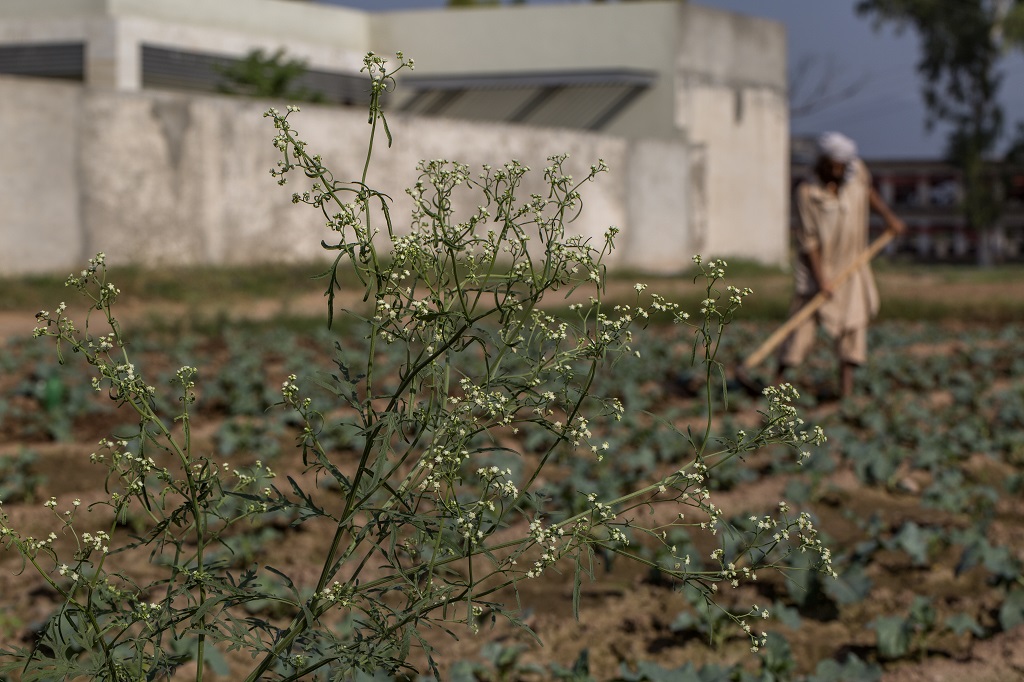
This article was originally published on SciDev.Net. Read the original article. Parthenium is a highly invasive weed that has spread to about 50 countries worldwide, threating agricultural productivity, biodiversity, ecosystems, and human and animal health. A major struggle to eliminate, parthenium can have heart-breaking impacts – it has been estimated to cause crop yield losses…
Is parthenium’s stem boring weevil safe for release in Pakistan? An update on host range testing
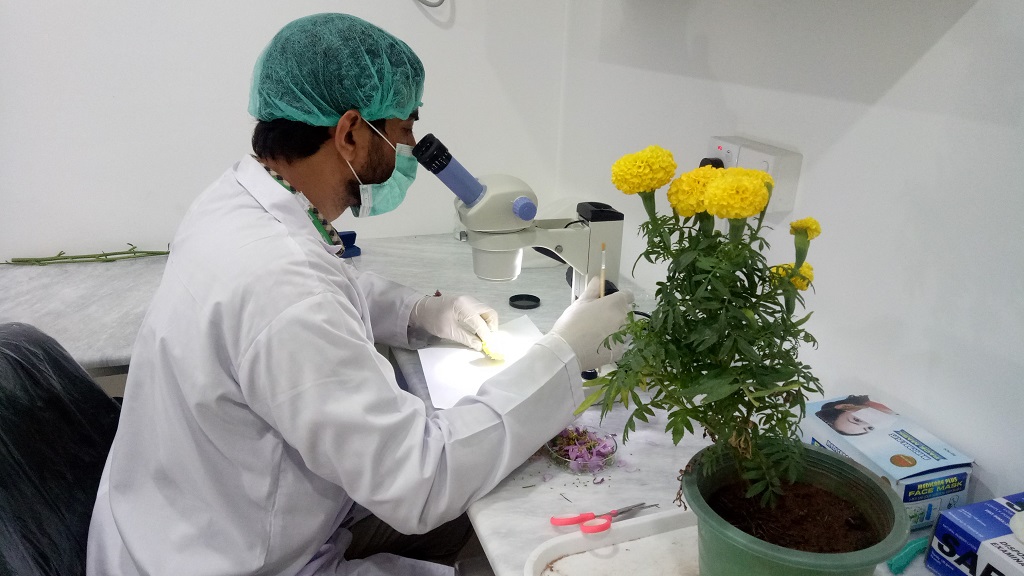
Native to tropical America, Parthenium hysterophorus, commonly known as parthenium, has invaded and become a major weed in over 50 countries. Parthenium has covered thousands of hectares of productive and range land in Pakistan. It is an annual herb which effects agriculture, damages biodiversity, affects human and animal health and adversely impacts economic development.