
Fall armyworm: CABI contributes to integrated pest management guide
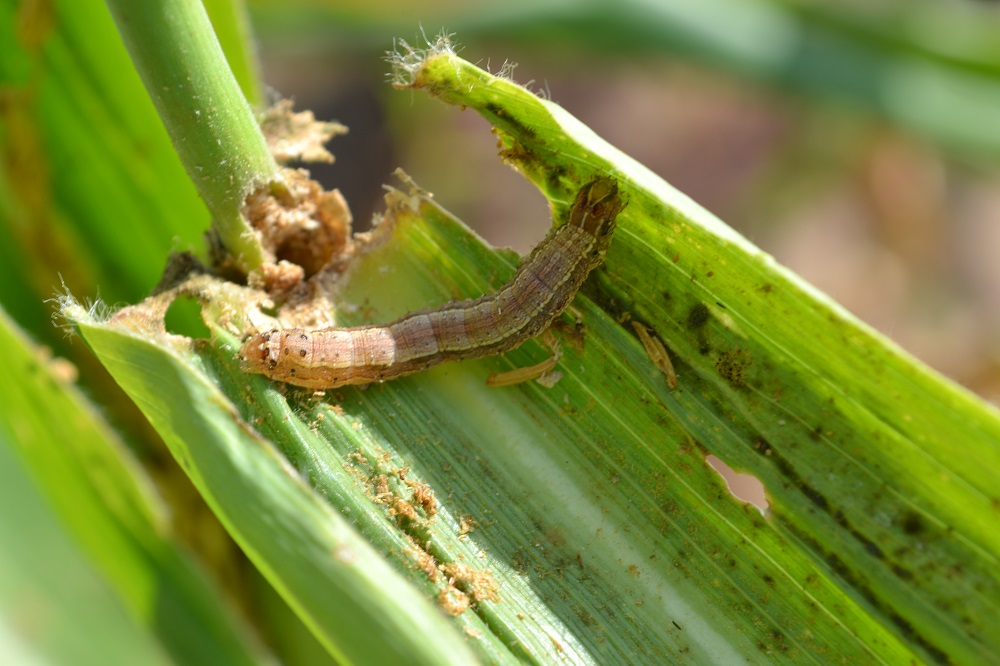
CABI experts in invasive alien species and extension communication have contributed to a major new guide for the integrated pest management (IPM) of the fall armyworm (Spodoptera frugiperda) in Asia.
Spotlight on farmers’ training programme and release of fruit fly parasitoids in Pakistan
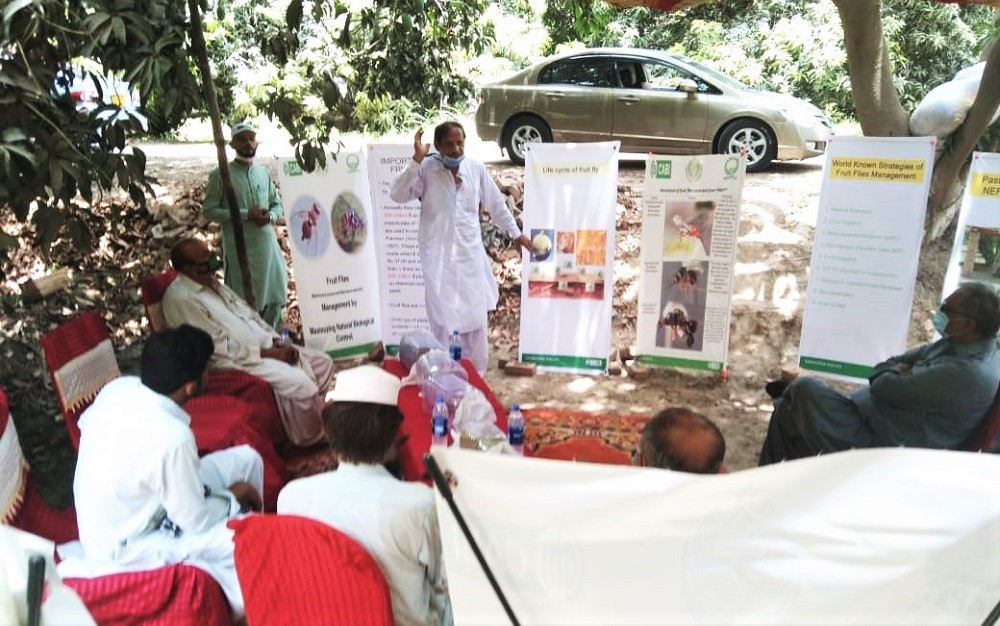
High-value horticultural crops such as mango are key drivers of Pakistan’s economic development. Infestations of flies in mangoes and other fruits reduce the quality and quantity of yields. One estimate state that flies cause losses of about US$800 million each year. Synthetic insecticides can be used to manage the fruit flies and mango hoppers, but…
CABI highlights top 20 crop pests and diseases for possible prioritization in the Eastern Caribbean
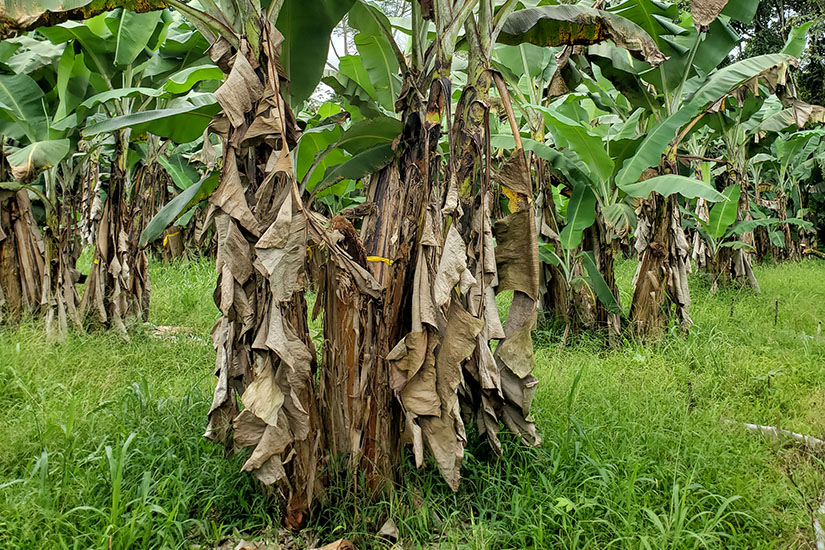
CABI has highlighted the top 20 crop pests and diseases for possible prioritization in the Eastern Caribbean as part of a special presentation given to the Caribbean Plant Health Directors Forum (CPHD) aimed at strengthening food security in the region and further afield.
Apple snail: The threat and potential economic impacts on East Africa
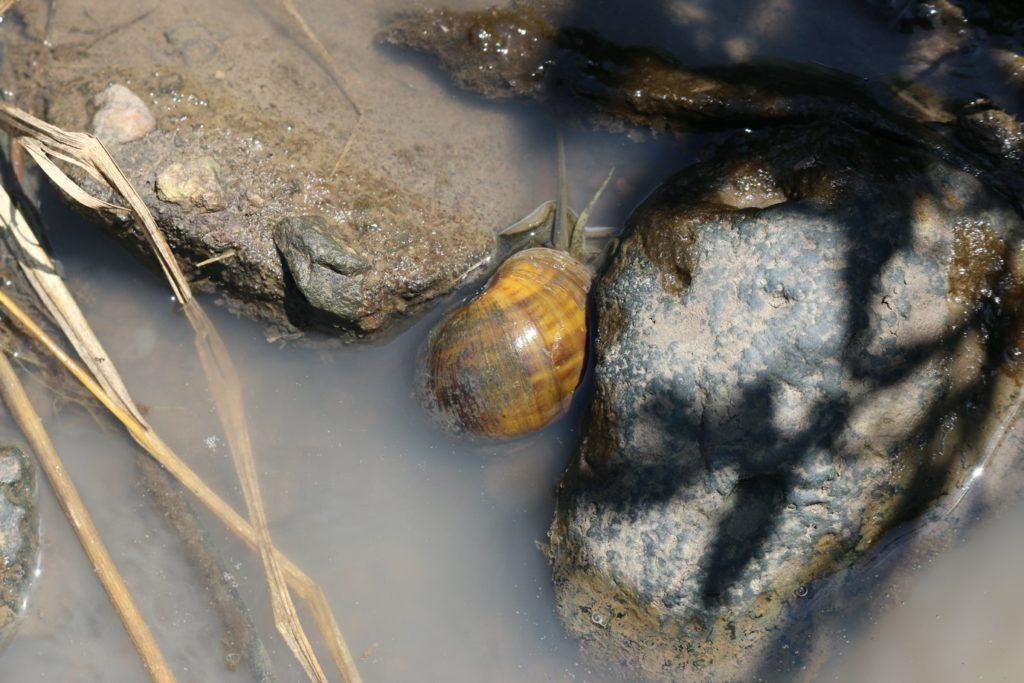
Earlier this year, scientists from CABI and the Kenya Plant Health Inspectorate Service (KEPHIS) published new research confirming that the apple snail, Pomacea canaliculata, had been discovered in Kenya for the first time. Widely considered to be one of the most invasive invertebrates of waterways and irrigation systems, the apple snail threatens Kenya’s rice production…
Hyperspectral data can discern invasive Parthenium hysterophorus weed from other crops and plant species
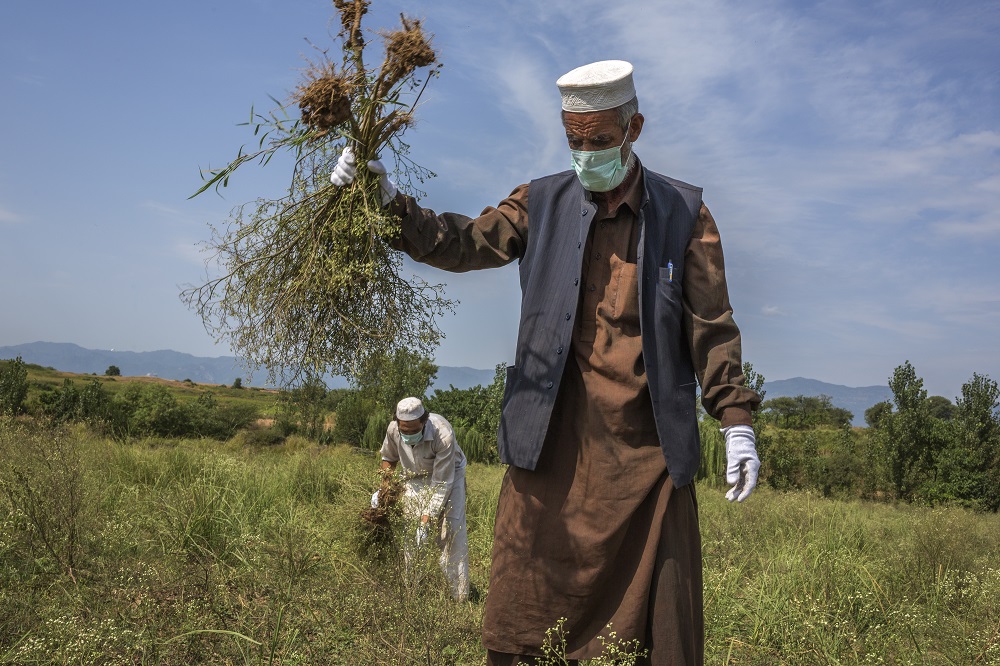
Parthenium hysterophorus is a nasty noxious weed – considered the seventh most devastating weed across the globe – that not only poses a serious threat to food security but also to livestock and human health.
How does the Invasive Species Compendium help to manage the threat of invasive species?
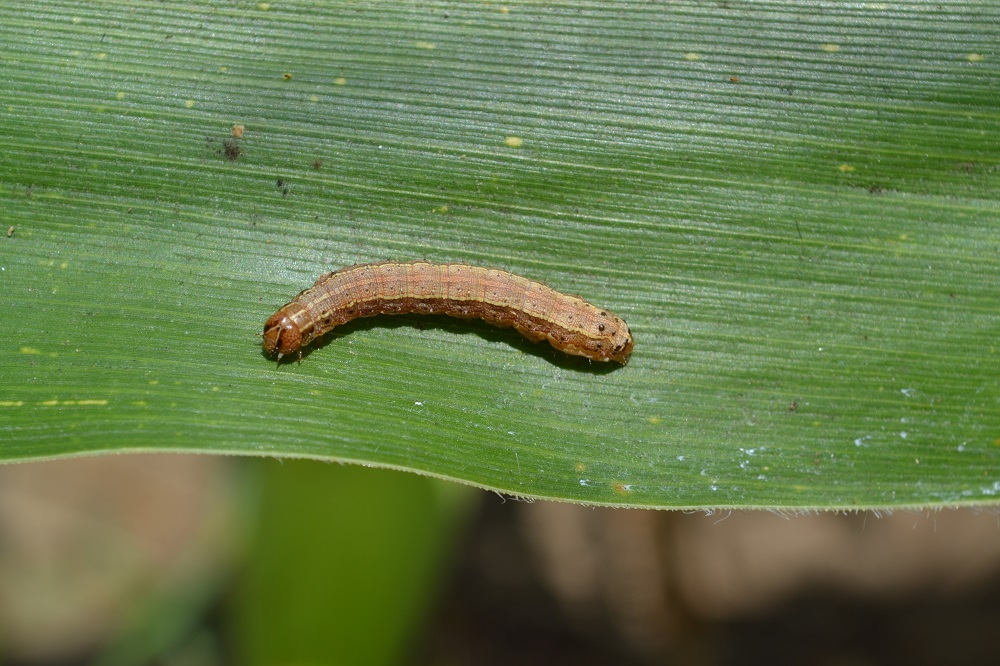
Invasive species pose a massive economic challenge in many countries around the world. Invasive weeds, insects and other animal pests, and plant and animal diseases have been introduced to regions outside their native distribution and, in the absence of sufficient natural control, are negatively impacting agriculture, forestry, livestock, aquaculture or delicate natural habitats.
Digital extension campaign boosts farmers’ knowledge and capacity to manage fall armyworm in Zambia

An SMS campaign to promote awareness of fall armyworm (Spodoptera frugiperda) and mitigation measures, which was carried out in four Zambian provinces, has resulted in the enhancement of farmers’ knowledge and boosted their capacity to effectively manage the pest. The campaign was implemented by CABI’s Pest Risk Information SErvice (PRISE) project in partnership with Precision…
CABI scientists share knowledge on fall armyworm diagnostics, ecology and its management in Philippines
CABI South East Asia (CABI-SEA) has hosted online training on the devastating fall armyworm (FAW) – looking at the diagnostics, ecology, surveillance and management of the pest in the Philippines, writes Dr Sathis Sri Thanarajoo and Mr Muhammad Faheem.
UK Invasive Species Week floating pennywort campaign picture special
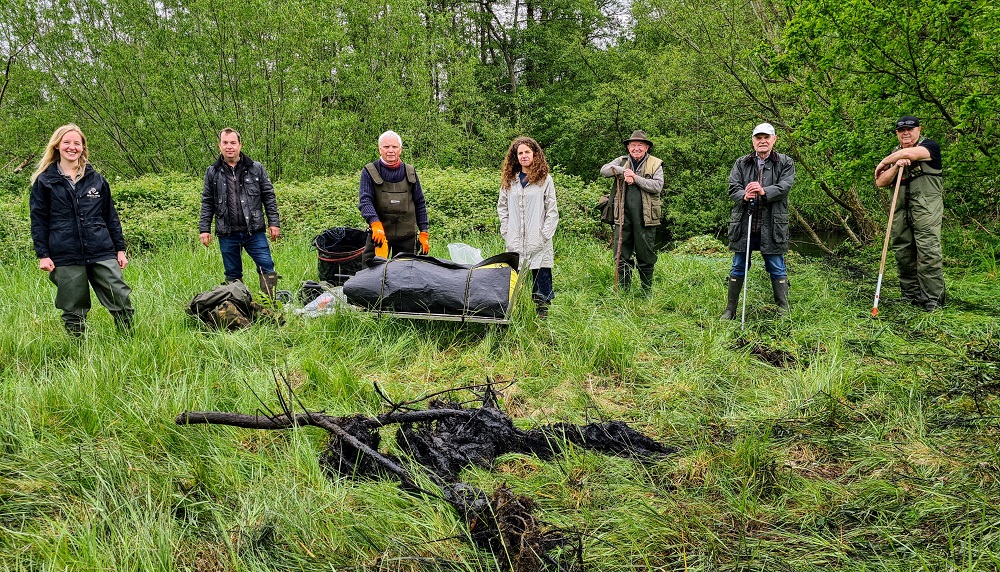
As part of UK Invasive Species Week 2021, we bring you – thanks to our friends at the Angling Trust – this collection of photos taken at the launch of a national campaign to tackle the highly invasive floating pennywort from blighting Britain’s rivers and lakes.
CABI joins forces with FAO to tackle desert locust and fall armyworm pests in Asia Pacific region
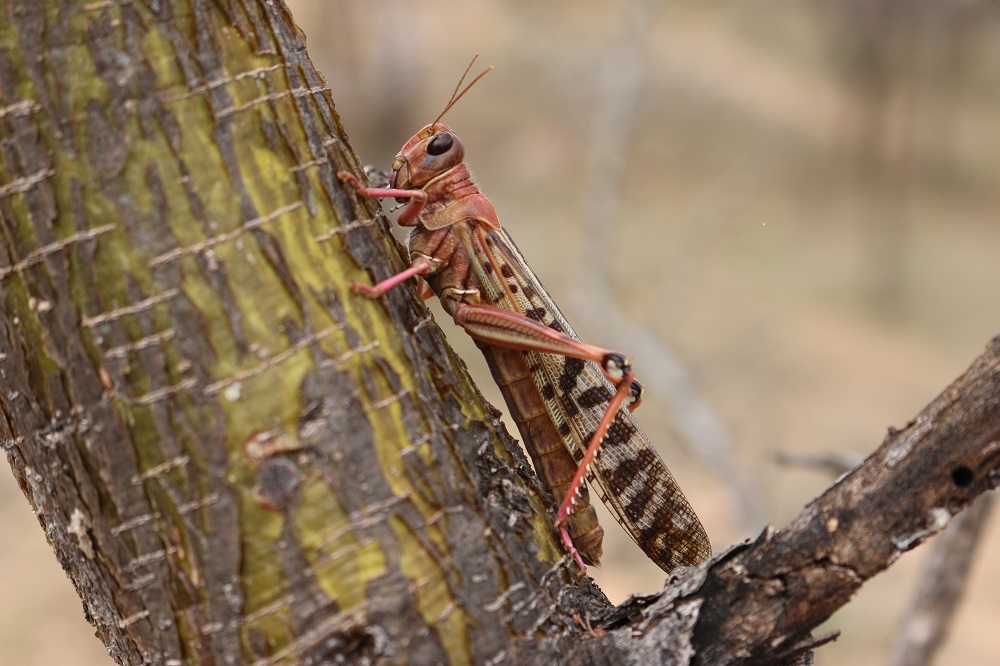
CABI experts on invasive crop pests, based at the regional centre in India, have joined forces with the Food and Agriculture Organization of the United Nations (FAO) to help farmers in the Asia Pacific region stave off the scourge of the desert locust (Schistocerca gregaria) and fall armyworm (Spodoptera frugiperda).